7 Essential Tips on How To Prepare Your Roof for Storm Season
As storm season nears, your roof must be fully equipped to withstand the weather elements. This article outlines practical techniques to strengthen your roof before storm season hits, helping minimize potential damages.
5 Common Roofing Problems During Winter
This article outlines the 5 most common roofing issues during the cold weather and offers expert tips on how to keep your roof in tip-top condition as you breeze through the winter season.
4 Signs Your Roof Is About to Collapse
Learn the warning signs of a collapsing roof, including cracks, leaks, and structural damage, to prevent costly repairs and safety risks.
Roof Leak Repair Cost
A leaking roof doesn’t always mean a big bill — but waiting makes it worse every time. Find out what roof leak repairs really cost, what drives the price up, and when a repair is no longer enough.
All Storm & Weather Protection articles
 Storm & Weather Protection
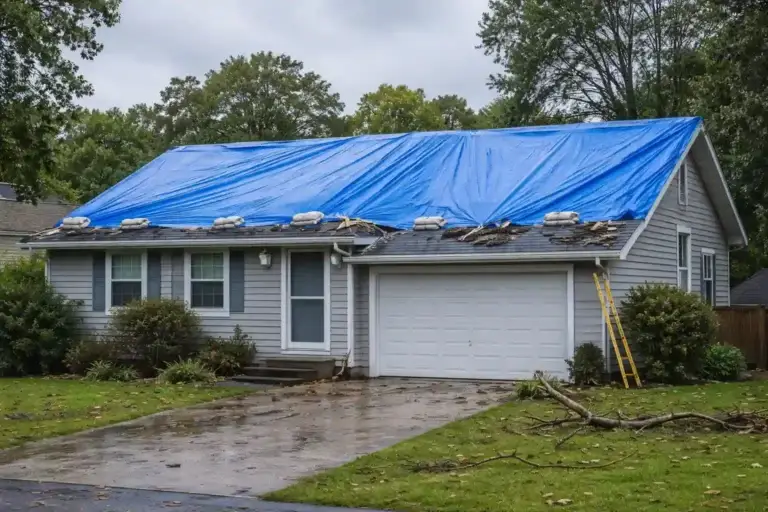
Emergency Roof Tarping
 Storm & Weather Protection
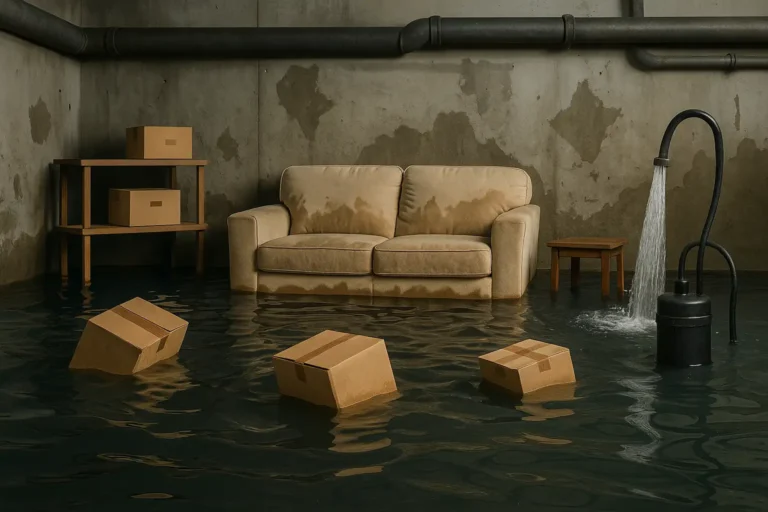
Basement Flooding Prevention
 Storm & Weather Protection
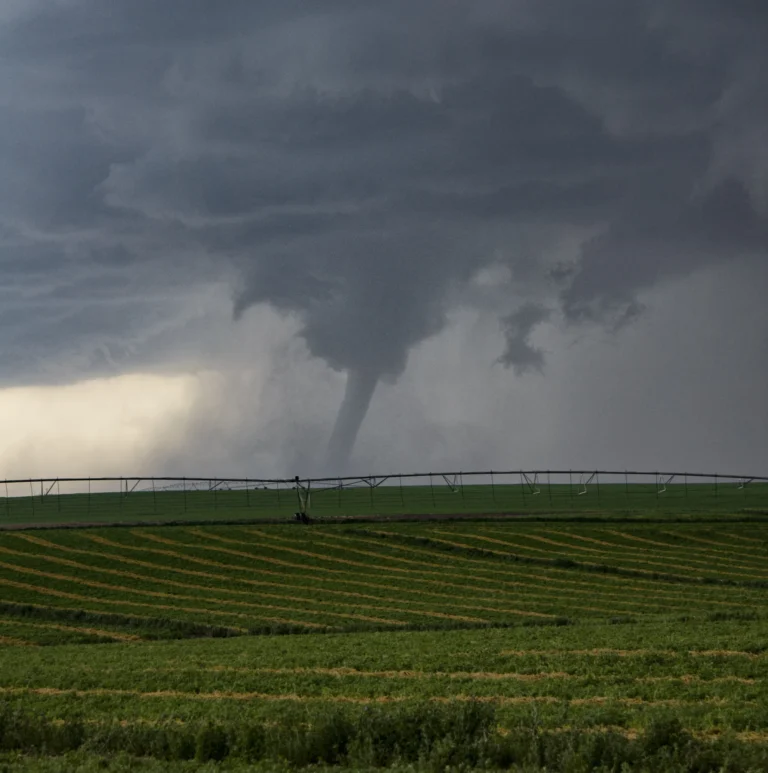
Tornadoes Are Rare, but Real – Let a VFL Protect Your Roof!
 Storm & Weather Protection
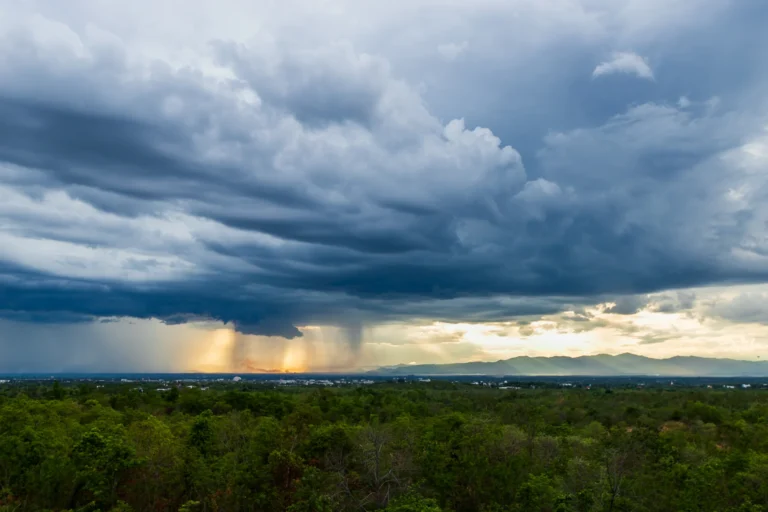
Hey Knoxville Homeowners – Storm Season is Here !
 Storm & Weather Protection
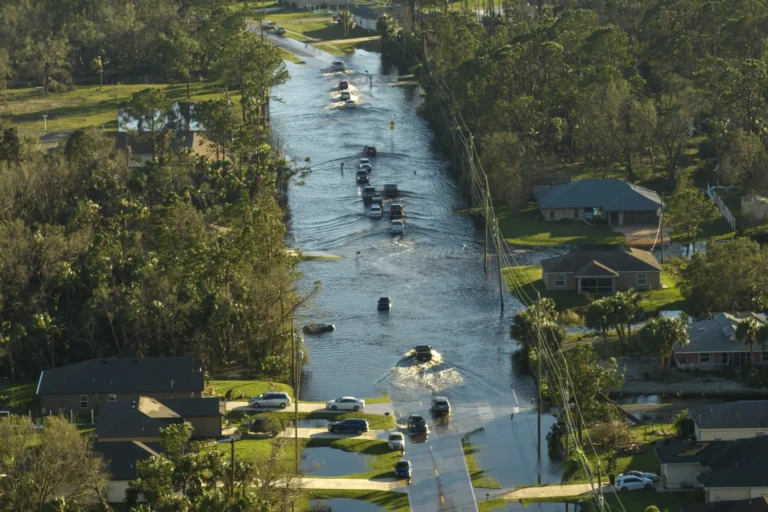
Flash Floods Can Soak Your Roof – Trust a VFL to Keep You Dry
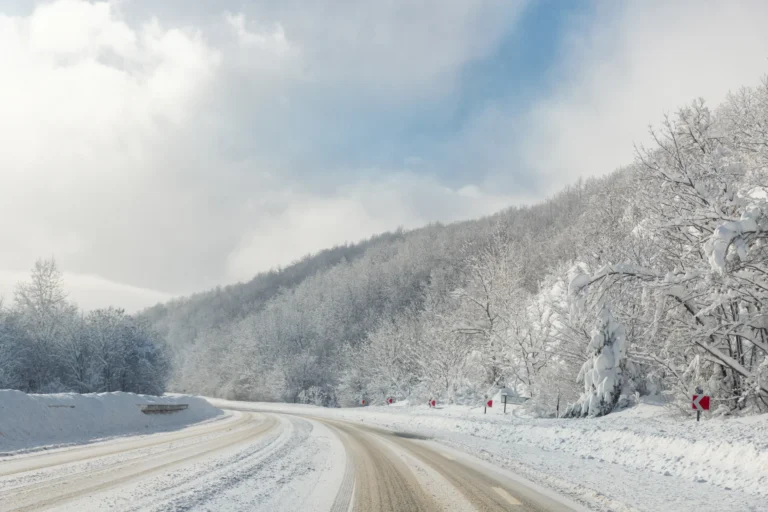 Storm & Weather Protection
Winter Storms Are Coming – Let a VFL Protect Your Roof
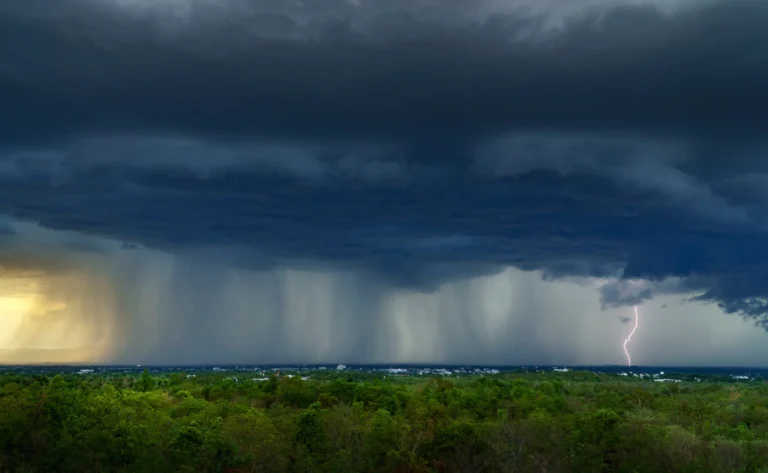 Storm & Weather Protection
Hurricane Remnants Hit Hard – Trust a VFL to Protect Your Roof
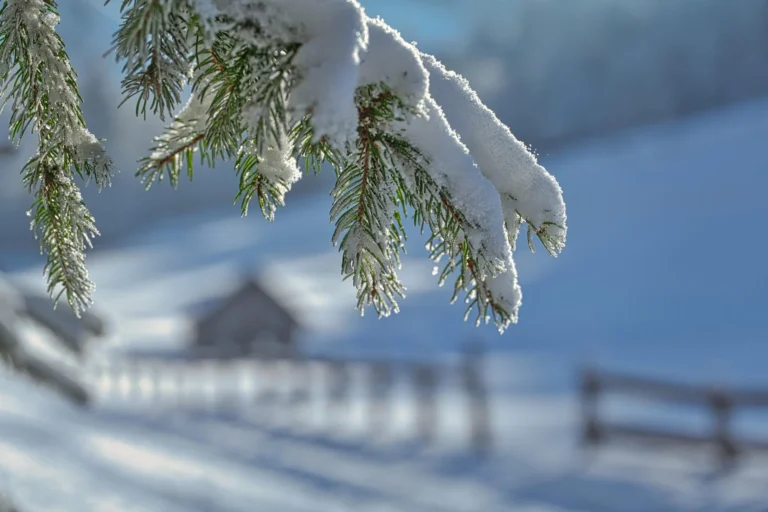 Storm & Weather Protection
5 Common Roofing Problems During Winter
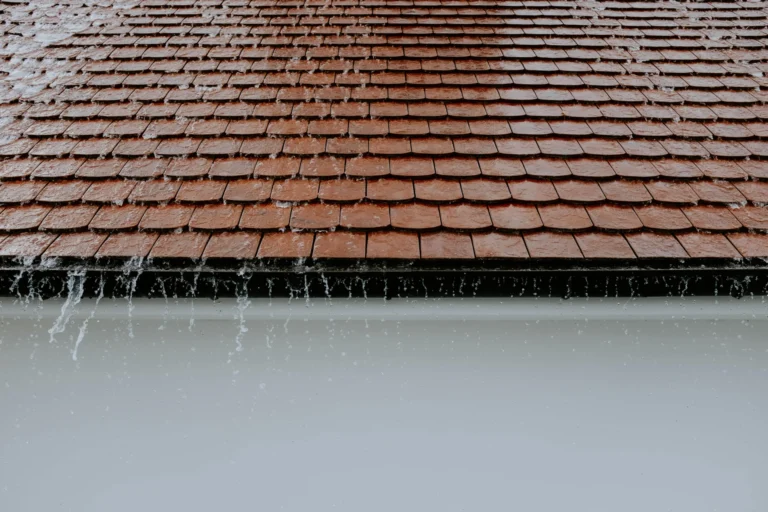 Storm & Weather Protection
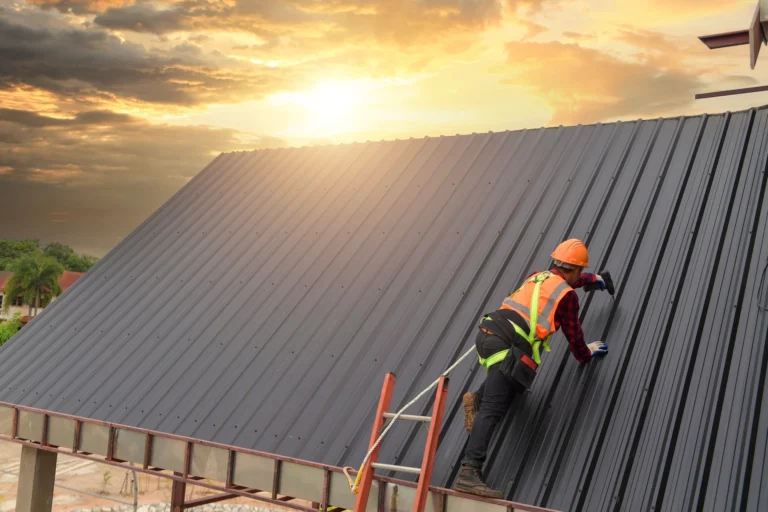
7 Essential Tips on How To Prepare Your Roof for Storm Season
 Storm & Weather Protection
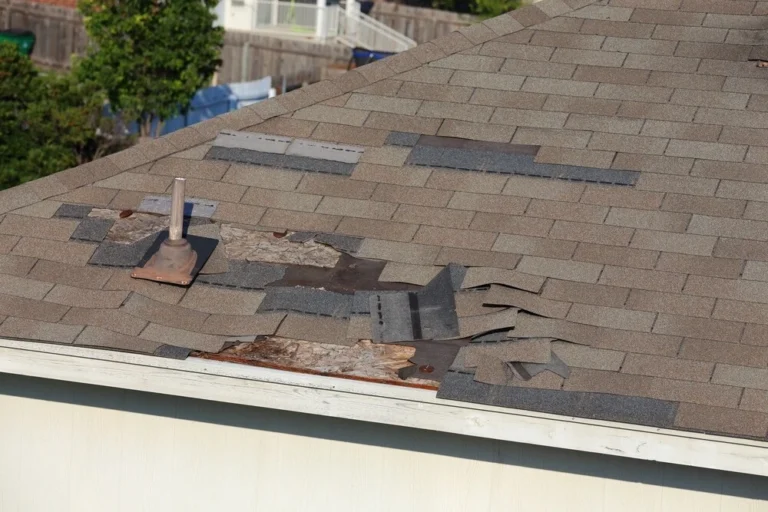
The Best Roofing Materials for High Winds
 Storm & Weather Protection
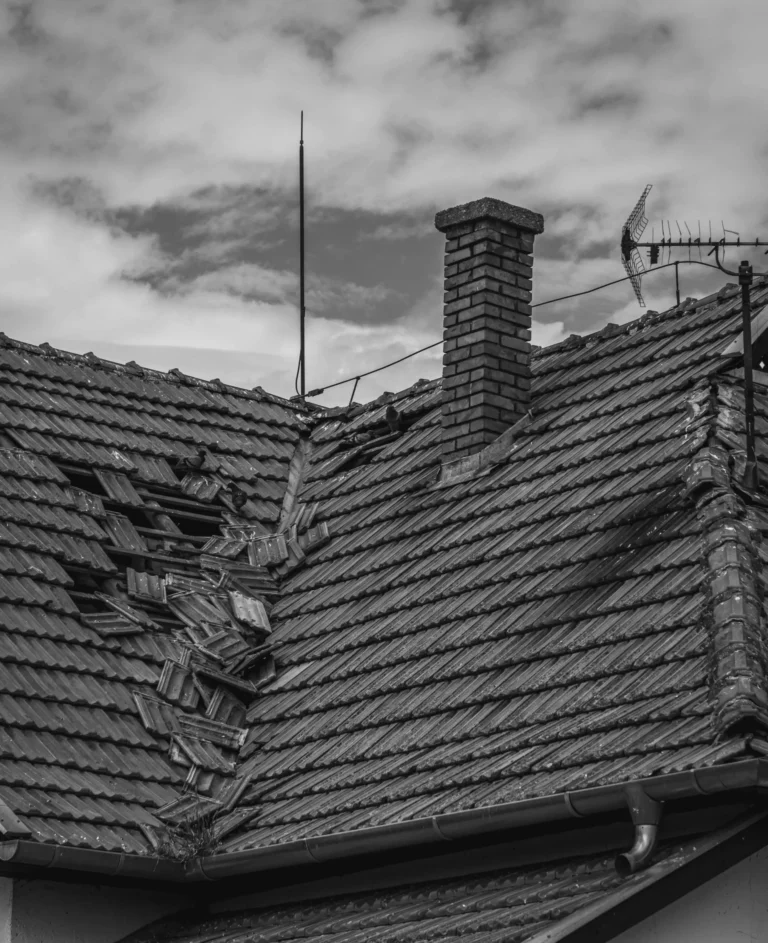
4 Signs Your Roof Is About to Collapse
 Storm & Weather Protection
Harsh Weather Conditions That Can Damage Your Roof
Get your free, no-obligation roof inspection
Fastest service
Call 865-851-5002Talk to our scheduler and book your free inspection in one call. Monday – Sunday, 8 AM – 8 PM.
- Free, no-obligation inspection
- A written, itemized estimate before any work begins
- Licensed and insured, family owned for 15+ years
Prefer we call you?
Request your free, no-obligation estimate and we will call to schedule.