


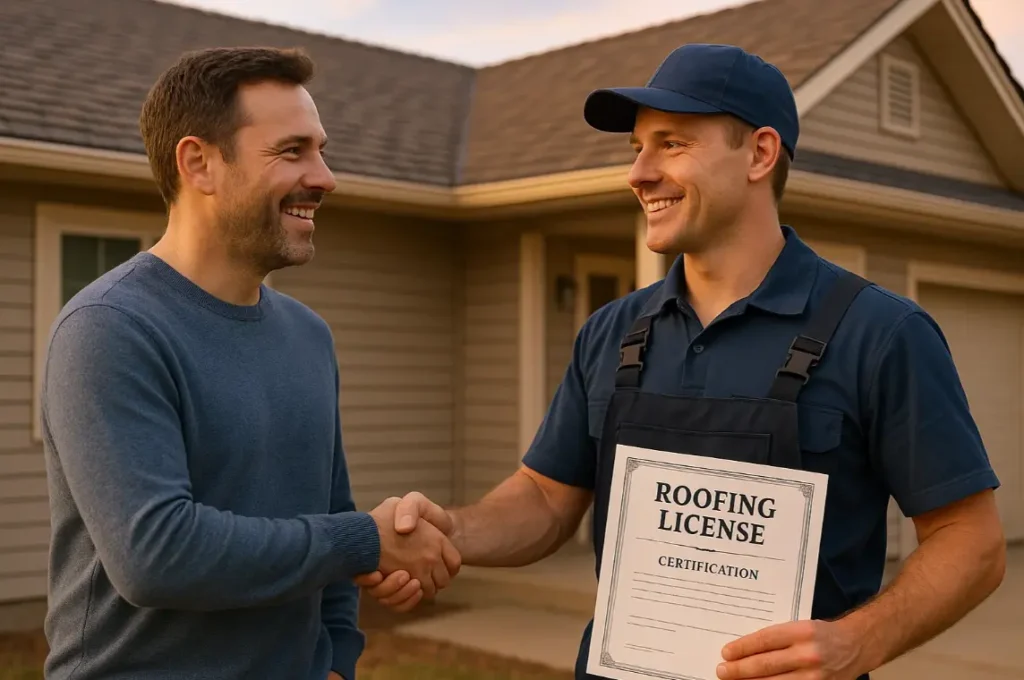
Your Complete Guide to Hiring the Right Contractor
Your roof is your home’s first line of defense. But before you hire someone to repair or replace it, you need to ask a critical question: does this contractor need a license in Tennessee?
The answer isn’t straightforward. Tennessee’s licensing requirements depend on project size, scope, and type. Understanding these rules — especially how Tennessee roofing laws define licensing requirements — can save you thousands of dollars and prevent serious legal headaches.
As a Knoxville roofing team, we believe in complete transparency. This guide walks you through everything you need to know about roofing licenses in Tennessee.
The $25,000 Rule: Tennessee’s Licensing Threshold
Here’s what most homeowners don’t know: Even when a license isn’t required under the $25,000 threshold, it’s important to know the roofing building codes in Tennessee that govern permit and inspection requirements for safe work.
The magic number is $25,000. If your roofing project (including labor and materials) costs less than this amount, Tennessee law doesn’t mandate a state license. Projects exceeding $25,000 require proper licensing from the Tennessee Board for Licensing Contractors.
But here’s the catch—just because a license isn’t legally required doesn’t mean you should skip it.
Why You Should Still Consider Licensed Contractors for Smaller Projects
Even on projects under $25,000, licensed contractors offer:
- Proven competency through state examinations
- Insurance coverage that protects your property
- Financial responsibility requirements
- Recourse options if problems arise
- Professional accountability and reputation concerns
Many homeowners choose licensed contractors for residential roof repair projects regardless of cost. The peace of mind often justifies any small price difference.
Tennessee Roofing Contractor Classifications Explained
Tennessee recognizes three contractor categories based on project value and scope. Understanding these classifications helps you match the right contractor to your project.
Unlicensed Contractors (Under $25,000)
These contractors can legally work on projects valued under $25,000. While they don’t need state licensing, they should still carry:
- General liability insurance
- Workers’ compensation coverage
- Local business licenses
- Solid references and reputation
Limited Licensed Contractor (LLC)
Limited Licensed Contractors can handle projects up to $100,000 in value. This classification covers most residential roofing projects.
Requirements include:
- Passing state examinations
- Meeting financial responsibility standards
- Maintaining proper insurance
- Continuing education
Unlimited Licensed Contractor (ULC)
Unlimited contractors work on projects of any size without restrictions. They handle:
- Commercial roofing projects
- Multi-family developments
- Large-scale residential work
- Complex installations like metal roofing systems
| Contractor Classification | Project Value Limit | Typical Projects |
|---|---|---|
| Unlicensed (for projects under $25,000) | Up to $25,000 | Minor repairs, small residential work |
| Limited Licensed Contractor (LLC) | Up to $100,000 | Most residential roofing projects |
| Unlimited Licensed Contractor (ULC) | No limit | Commercial, large residential, multi-family |
When You MUST Use a Licensed Contractor
For jobs like large commercial work or insurance-related roof repairs, following Tennessee Roofing Contractors Association guidelines helps you choose professionals who meet industry standards.
Projects Over $25,000
Any roofing work exceeding this threshold legally requires a licensed contractor. This includes:
- Complete roof replacements on average-sized homes
- Large emergency roof repairs
- Multiple building structures
- Complex material upgrades
Insurance Claims
Most insurance companies require licensed contractors for claim work. Check your policy before starting any storm damage repairs.
Your insurance adjuster can confirm specific requirements for your claim.
Commercial Properties
All commercial roofing work requires licensed contractors, regardless of project value. This includes:
- Office buildings
- Retail spaces
- Rental properties
- Multi-family units
Structural Modifications
Projects involving structural changes or complex installations need licensed professionals who understand engineering requirements. This includes:
- Solar panel roof installations
- Skylight additions
- Roofline modifications
- Load-bearing changes
How to Verify a Tennessee Roofing License in 3 Steps
Verification is your most powerful protection tool. Here’s exactly how to check contractor credentials:
Step 1: Request License Information
Ask your contractor for:
- Full legal business name
- License number
- Classification level (LLC or ULC)
- Expiration date
Legitimate contractors provide this information immediately. At a trusted local roofing company, credentials are clearly displayed on every proposal.
Step 2: Check the Online Database
After checking a contractor’s license, also verify they understand building code requirements for roofing permits, which can affect inspections and compliance:
- Current license status
- Classification level
- Disciplinary actions
- License expiration dates
- Complaint history
This takes less than 5 minutes and could save you thousands.
Step 3: Verify Insurance Coverage
Request certificates of insurance for:
- General liability insurance (protects your property)
- Workers’ compensation (covers injured workers)
Call the insurance company directly to confirm active coverage. Don’t just accept a certificate—verify it’s current.
Red Flags: 7 Warning Signs of Problem Contractors
Watch for these warning signs that signal potential trouble:
1. Refusing to Provide License Numbers
Legitimate contractors welcome verification. Defensiveness or excuses about licensing should end the conversation immediately.
If a roofer resists showing credentials or certified documentation, compare their approach with professional roofing standards from the Tennessee Roofing Contractors Association to ensure quality and compliance.
2. High-Pressure Sales Tactics
“Sign today or lose this price” is a classic scam technique. Quality contractors like those offering thorough roof inspections give you time to decide.
3. Excessive Upfront Payment Demands
Standard deposits range from 10-33% of project cost. Requests for 50% or more upfront—especially cash-only—signal trouble.
4. No Physical Business Address
Operating exclusively from a cell phone or P.O. box raises legitimacy concerns. Established contractors maintain physical locations.
5. Missing Insurance Documentation
No insurance means you’re liable for injuries and damages. Never proceed without verified coverage.
6. Vague Written Estimates
Professional proposals include:
- Itemized material costs
- Labor breakdowns
- Project timeline
- Warranty information
- Payment schedule
Avoid contractors providing only verbal quotes or single-line totals.
7. Can’t Provide Local References
Tennessee contractors should easily provide recent local references. Reluctance to share references suggests problems with past work.
What Licensed Contractors Bring to Your Project
Beyond legal compliance, licensed contractors offer valuable advantages:
Proven Technical Competency
Licensed contractors have:
- Passed comprehensive state examinations
- Demonstrated knowledge of Tennessee building codes
- Met experience requirements
- Completed continuing education
Financial Stability
Licensing requires financial responsibility standards. This means contractors:
- Maintain minimum bonding or net worth
- Can complete projects despite challenges
- Have resources for warranty work
- Carry adequate insurance coverage
Professional Accountability
Licensed status creates powerful incentives for quality work:
- License suspension or revocation for serious violations
- Complaint resolution through the state board
- Reputation concerns within the industry
- Higher standards for customer service
Access to Better Materials and Training
Many licensed contractors hold manufacturer certifications that provide:
- Extended warranty options
- Advanced training on new products
- Access to premium materials
- Technical support for complex installations
This matters for specialized work like metal roofing repair or sustainable roofing solutions.
Beyond Licensing: 5 Additional Factors to Evaluate
Licensing provides baseline protection, but these factors help you find the perfect contractor:
Experience with Your Roofing Type
A contractor licensed for general roofing might lack experience with your specific needs:
- Through-fastened metal roofing
- Tile roofing systems
- Single-ply commercial roofing
- Torch-down roofing
Ask specifically about their experience with your roofing material.
Local Reputation and References
Check multiple sources:
- Recent customer references from similar projects
- Online reviews across multiple platforms
- Better Business Bureau ratings
- Local building department records
Contact references directly. Ask about communication, quality, timeline adherence, and problem resolution.
Written Warranties and Guarantees
Quality contractors stand behind their work with:
- Labor warranties (typically 1-10 years)
- Material warranties (manufacturer-provided)
- Workmanship guarantees
- Written warranty terms in contracts
Review warranty details carefully before signing.
Clear Communication Standards
Professional contractors demonstrate communication excellence through:
- Prompt response to inquiries
- Detailed written proposals
- Regular project updates
- Accessible throughout the project
- Clear explanation of technical details
Poor communication during estimates usually predicts problems during the project.
Specialized Certifications
Look for additional credentials:
- GAF Master Elite certification
- CertainTeed Select ShingleMaster
- OSHA safety training
- Manufacturer-specific certifications
- Professional association memberships
These certifications indicate commitment to ongoing education and industry best practices.
Tennessee-Specific Roofing Considerations
Tennessee’s unique climate and regulations create special considerations:
Weather Challenges
Tennessee experiences:
- Severe thunderstorms with high winds
- Occasional tornadoes requiring storm-resistant installations
- High humidity affecting material selection
- Temperature extremes from hot summers to cold winters
Experienced Tennessee roof repair contractors understand these challenges and select appropriate materials and installation methods.
Regional Building Code Variations
Building codes vary by county and municipality. Your contractor should know:
- Local permit requirements
- Inspection procedures
- Wind rating requirements
- Energy code compliance
Licensed contractors working regularly in your area navigate these requirements smoothly.
Seasonal Timing Considerations
Tennessee’s climate affects optimal construction windows:
- Spring: Popular but can be rainy
- Summer: Hot but generally dry
- Fall: Ideal conditions, high demand
- Winter: Weather-dependent, slower season
Discuss timing with your contractor to schedule during favorable conditions when possible.
Making Your Final Decision: A Step-by-Step Approach
Ready to choose your contractor? Follow this process:
Get Multiple Quotes
Obtain at least 3 detailed quotes from licensed contractors. Compare:
- Total project cost
- Materials specified
- Warranty coverage
- Project timeline
- Payment terms
Remember: the lowest bid isn’t automatically the best value. Extremely low bids often indicate corners being cut.
Review Contracts Thoroughly
Your contract should specify:
- Scope of work in detail
- Materials by brand and model
- Project timeline with milestones
- Payment schedule tied to progress
- Warranty information for labor and materials
- Change order procedures
- Cleanup and disposal responsibilities
Don’t sign anything until you understand every term.
Schedule a Pre-Project Inspection
A thorough roof inspection before work begins:
- Documents existing conditions
- Identifies all necessary repairs
- Creates accurate estimates
- Provides insurance documentation if needed
Quality contractors welcome inspections and use them for better estimates.
Trust Your Instincts
Professional indicators include:
- Punctuality for meetings
- Clean, organized presentations
- Patient answers to questions
- No pressure tactics
- Professional appearance and equipment
If something feels off, keep looking. You’ll work closely with this contractor throughout your project.
Essential Resources for Tennessee Homeowners
Use these resources to research contractors and verify credentials:
Tennessee Board for Licensing Contractors
What it provides:
- License verification database
- Complaint filing system
- Licensing requirements information
- Disciplinary action records
After checking a contractor’s license, also verify they understand building code requirements for roofing permits, which can affect inspections and compliance.
Better Business Bureau
What it provides:
- Business ratings and reviews
- Complaint history
- Accreditation status
- Resolution information
Access: Search BBB.org by business name or location.
Local Building Departments
What they provide:
- Permit requirements
- Code compliance information
- Inspection records
- Approved contractor lists
Access: Contact your county or city building department directly.
Professional Associations
What they provide:
- Member directories
- Industry standards
- Educational resources
- Consumer protection programs
Access: Visit association websites or call for member referrals.
| Resource | Primary Use | Response Time |
|---|---|---|
| TN Licensing Board | License verification | Immediate (online) |
| Better Business Bureau | Reputation research | Immediate (online) |
| Local Building Dept | Permit/code questions | 1-3 business days |
| Professional Associations | Finding quality contractors | 1-2 business days |
Protecting Yourself During Your Roofing Project
Even after hiring a licensed contractor, stay engaged throughout your project:
Document Everything
Create a project folder containing:
- Signed contract and all amendments
- Payment receipts with check numbers
- Progress photos at each phase
- Email communications and written correspondence
- Inspection reports and permits
- Warranty documentation
- Material receipts and specifications
This documentation proves invaluable for warranty claims or dispute resolution.
Maintain Open Communication
Schedule regular check-ins with your contractor:
- Pre-construction meeting to review the plan
- Daily or weekly updates during active work
- Problem notification immediately when issues arise
- Final walkthrough before final payment
Address concerns promptly rather than letting them escalate.
Verify Permit Compliance
Confirm that your contractor:
- Obtained all required permits before starting
- Posted permits visibly at the work site
- Scheduled required inspections
- Received passing inspection results
Missing permits can cause problems when selling your home or filing insurance claims.
Inspect Work at Key Milestones
Review work quality at critical stages:
- After tear-off and decking inspection
- After underlayment installation
- During shingle/material installation
- Before final cleanup
Quality contractors welcome your involvement and appreciate engaged homeowners.
Understand Your Payment Schedule
Typical payment schedules include:
- 10-25% deposit when signing contract
- 25-50% payment when materials arrive
- Remaining balance after final inspection and approval
Never pay the full balance until you’re completely satisfied with the completed work.
FAQ
Roof Repair FAQs

Do handymen need licenses for small roof repairs?
If the repair costs less than $25,000, Tennessee doesn’t require licensing. However, insurance coverage remains essential. Many homeowners prefer licensed contractors even for small roofing repair projects for added protection.
Can out-of-state contractors work in Tennessee?
Yes, but they must obtain Tennessee licensing if working on projects over $25,000. Out-of-state contractors follow the same requirements as Tennessee-based companies.
What happens if I hire an unlicensed contractor for a project requiring a license?
You may face:
- Difficulty filing insurance claims
- Problems selling your home
- No recourse for poor workmanship
- Potential liability for worker injuries
- Code violation issues
How long does it take to verify a contractor's license?
Online verification through the Tennessee Board for Licensing Contractors takes less than 5 minutes. Do this before signing any contracts.
Should I get permits for my roofing project?
Check with your local building department. Most complete roof replacements require permits, while minor repairs may not. Your contractor should handle permit applications and inspections.
Your Next Steps: Taking Action
Now that you understand Tennessee’s roofing license requirements, here’s what to do next:
Step 1: Determine your project scope and estimated cost.
Step 2: Decide whether you need a licensed contractor based on project value and type.
Step 3: Request quotes from at least 3 contractors (licensed contractors for projects over $25,000).
Step 4: Verify credentials through the Tennessee Board for Licensing Contractors.
Step 5: Check references and review online reputation.
Step 6: Compare detailed written proposals.
Step 7: Review and sign a comprehensive contract.
Step 8: Verify permits and insurance before work begins.
At a reliable roofing company in Knoxville, transparency and quality workmanship come first. From emergency repairs to roof cleaning and full replacements, our licensed team provides professional service you can trust.
Have questions about Tennessee roofing license requirements or want to make sure your project is handled the right way? Whether your roofing job requires a licensed contractor or not, our experienced team can explain the rules, walk you through your options, and provide a clear, free estimate with no obligation.
Get straightforward answers and professional guidance you can trust before moving forward with your roofing project.
Get a Free Roofing Estimate From a Licensed Contractor
Get your free, no-obligation roof inspection
Fastest service
Call 865-851-5002Talk to our scheduler and book your free inspection in one call. Monday – Sunday, 8 AM – 8 PM.
- Free, no-obligation inspection
- A written, itemized estimate before any work begins
- Licensed and insured, family owned for 15+ years
Prefer we call you?
Request your free, no-obligation estimate and we will call to schedule.