
Roof Safety: The Don'ts of diy Home Roof Maintenance
Many homeowners think DIY roof maintenance is a quick way to save money, but working on your roof can be far more dangerous than it looks. One wrong step, slippery shingle, or unstable ladder can lead to serious injuries, costly mistakes, or even long-term damage to your home. Roof safety is often underestimated, and small DIY errors can void warranties, create hidden leaks, or cause insurance issues later on. Before climbing up, it’s important to understand the risks—and the legal requirements involved. If you’re unsure about who should handle roof work, reviewing roofing license requirements in Tennessee is a smart place to start.
At Daniel Hood Roofing Systems, we’ve seen firsthand how unsafe DIY roof maintenance can quickly turn into an emergency. Our team of trusted local roofing professionals knows how small mistakes can turn into expensive repairs. This guide covers the most important roof safety “don’ts” every homeowner should know before attempting any roof work
❌ Don’t Climb on Your Roof Without Proper Safety Gear
Many homeowners climb onto their roof thinking it’s just a quick check or a simple fix. In reality, roofs are one of the most dangerous areas of a home. Without proper safety gear, even a short climb can lead to serious injury.
Roofs are steep, uneven, and often slippery—even when they look dry. Most homeowners don’t have fall protection, harnesses, or the right footwear to maintain balance on shingles.
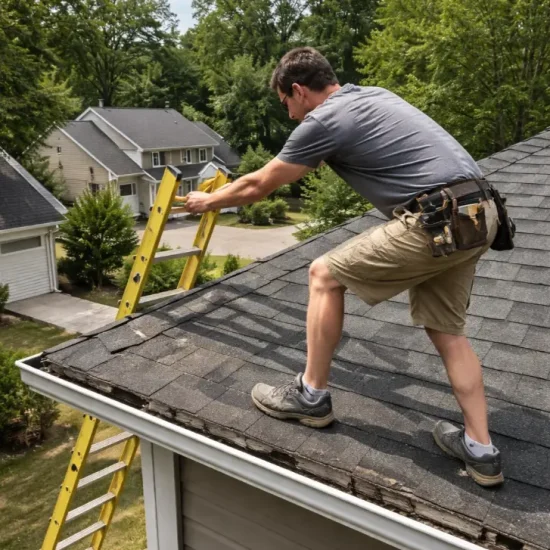
Why this is dangerous:
Slips and falls from roof edges
Unstable ladders shifting unexpectedly
No fall protection to stop serious injuries
A fall from a roof can result in broken bones, head injuries, or worse. Even if you don’t fall, walking incorrectly can damage shingles and lead to leaks later. Problems like these often start small but grow into major issues, such as those outlined in the dangers of a leaky roof
❌ Don’t Walk on Wet, Aging, or Damaged Shingles
Homeowners often assume they can safely walk on their roof if the weather looks clear. However, shingles can remain slippery long after rain, and older or damaged shingles may break under pressure.
Cracked, curled, or loose shingles are especially risky. Stepping on them can cause sudden slips—or create new damage you won’t notice right away.
Real consequences homeowners face:
Sudden loss of footing
Broken shingles that cause hidden leaks
Voided manufacturer warranties
What starts as a “quick look” can turn into costly repairs. For a better understanding of how small roof issues escalate, review this homeowner’s complete guide to roofing damage and repair
❌ Don’t Attempt Structural Roof Repairs Yourself
DIY roof repairs often involve patching, sealing, or nailing without understanding what’s happening beneath the surface. Structural roof issues are never surface-level problems and should not be handled without professional experience.
Improper repairs can trap moisture, worsen leaks, or weaken roof decking over time.
Common DIY mistakes include:
Sealing over damaged areas instead of fixing the cause
Improper nail placement
Using incorrect materials
These errors can lead to rot, mold, and long-term structural damage. If a repair feels urgent, it’s best to skip DIY attempts and explore professional emergency roof repair options instead
❌ Don’t Ignore Weather Conditions
Weather plays a major role in roof safety. Wind, heat, or sudden rain can turn a roof into a hazardous surface in minutes—especially in Tennessee’s unpredictable climate.
Many accidents happen because homeowners underestimate how quickly conditions can change.
Weather-related risks include:
Wind knocking you off balance
Heat exhaustion during summer months
Sudden rain creating slippery surfaces
Instead of risking injury, focus on prevention and routine care outlined in this guide on roofing repair and maintenance made simple for homeowners
❌ Don’t Work Alone or Get Distracted
Roof work requires full focus. Working alone or getting distracted by phones, tools, or calls increases the chance of serious accidents.
Without someone nearby, even minor injuries can become emergencies.
Risks include:
No immediate help if you fall
Delayed medical response
Increased chance of mistakes
❌ Don’t Work Alone
Many homeowners go up on the roof by themselves, assuming nothing will go wrong. This is one of the most dangerous mistakes in DIY roof maintenance. If you slip, lose balance, or get injured, there’s no one nearby to help.
Even a minor accident can quickly turn serious without immediate assistance.
Why this is dangerous:
No one to help if you fall or get hurt
Delayed medical response in an emergency
Increased risk of panic or poor decision-making
Roof accidents often lead to injuries or roof damage that homeowners don’t notice right away, which can later turn into costly problems like leaks and interior water damage.
❌ Never Ignore Weather Conditions
Weather plays a huge role in roof safety. Wind, heat, and sudden rain can turn a roof into a hazard within minutes—especially in Tennessee, where conditions change fast.
Homeowners often underestimate how quickly weather can affect roof surfaces.
Common risks include:
Wind throwing off your balance
Heat exhaustion during hot months
Sudden rain creating slippery shingles
Attempting roof work in poor conditions often leads to mistakes that cause leaks and long-term damage. These issues are commonly seen in homes affected by leaky roof dangers
❌ Avoid Walking on a Wet or Slippery Roof
A roof doesn’t need to be actively raining to be dangerous. Morning dew, humidity, moss, or aging shingles can make the surface slick.
Homeowners often step onto the roof “just to check,” not realizing how easily shingles lose traction.
Real consequences include:
Sudden slips and falls
Cracked or broken shingles
New leaks forming under damaged areas
Once shingles are damaged, water can enter the roof system and cause problems that require professional repair. Learn how these issues escalate in this homeowner’s complete guide to roofing damage and repair.
❌ Abandon Risky or Improper Equipment
Using unstable ladders, worn tools, or makeshift equipment is extremely dangerous. Many homeowners rely on old ladders or tools not designed for roof work.
Improper equipment increases the risk of falls and makes it harder to work safely.
Why this matters:
Ladders can shift or collapse
Tools may slip or fail
Poor equipment leads to rushed or unsafe movements
Safe roof maintenance starts with the right tools—but most homeowners don’t have professional-grade equipment.
❌ Never Ignore Proper Footwear
Shoes matter more than most people think. Regular sneakers, flip-flops, or worn shoes offer little traction on shingles.
Without proper footwear, even dry roofs can be dangerous.
Risks include:
Slipping on angled surfaces
Reduced balance and control
Increased chance of damaging shingles
❌ Don’t Forgo Safety Gear or Fall Protection
Professional roofers use safety harnesses, anchors, and protective gear for a reason. Most homeowners skip these steps entirely.
Without fall protection, one mistake can result in severe injury.
Possible consequences:
Serious falls from roof edges
Long recovery times or permanent injury
Emergency medical situations
❌ Don’t Try to Repair a Damaged Roof Without Help
DIY repairs often involve patching, sealing, or nailing without understanding the full problem. Many roof issues are structural and not visible from the surface.
Incorrect repairs can trap moisture and make damage worse.
Common DIY repair mistakes:
Sealing over damaged areas
Using the wrong materials
Missing hidden leaks
If a repair feels urgent, DIY fixes can actually make the situation worse. In these cases, emergency roof repair is the safer option:
❌ Never Attempt to Remove Snow Yourself
Snow adds weight and creates extremely slippery conditions. Attempting to remove it without training and equipment is dangerous.
Why this is risky:
Roof surfaces become unpredictable
Ice increases fall risk
Structural stress may already be present
Unsure About Your Roof’s Condition?
If you’re not sure whether your roof has damage—or don’t feel safe climbing up—a professional inspection is the smartest step.
When to Call a Professional Roofer
Some roofing situations should never be DIY. Call a professional if you notice:
Active leaks
Storm or hail damage
Sagging or soft spots
Mold or rot
Any issue requiring walking on the roof
Professionals have the tools, training, and experience to handle repairs safely. Regular care and expert help are explained in this guide on roofing repair and maintenance made simple for homeowners

Protect Your Roof and Your Safety
DIY roof maintenance can cost far more than it saves. From serious injuries to long-term roof damage, the risks simply aren’t worth it.
If you want long-lasting protection, expert repairs, or even eco-friendly options like sustainable roofing solutions, professional help is the safer choice: