

Storm & Weather Protection

Storm & Weather Protection for Eastern Tennessee Homes

When you live in Eastern Tennessee, you know how unpredictable the weather can be. From powerful thunderstorms and high winds to heavy rainfall, hail, and even the occasional snowstorm, your home faces year-round challenges. One of the most important defenses against these elements is your roof. At Daniel Hood Roofing Systems, we specialize in helping homeowners across Knoxville and the surrounding communities protect their homes with top-quality roofing and storm protection solutions.

In this article, we’ll explore why weather protection is so important in Eastern Tennessee, the most common storm-related threats, and how our expert roofing contractors can keep your home safe.

Why Storm & Weather Protection Matters in Eastern Tennessee

Eastern Tennessee’s climate brings a mix of humid summers, stormy spring weather, and cold winters. These conditions create significant stress on residential roofing systems:

  • Heavy Rain & Flooding Risks – Prolonged rainstorms can cause roof leaks, water damage, and even mold growth if your roof isn’t properly maintained.
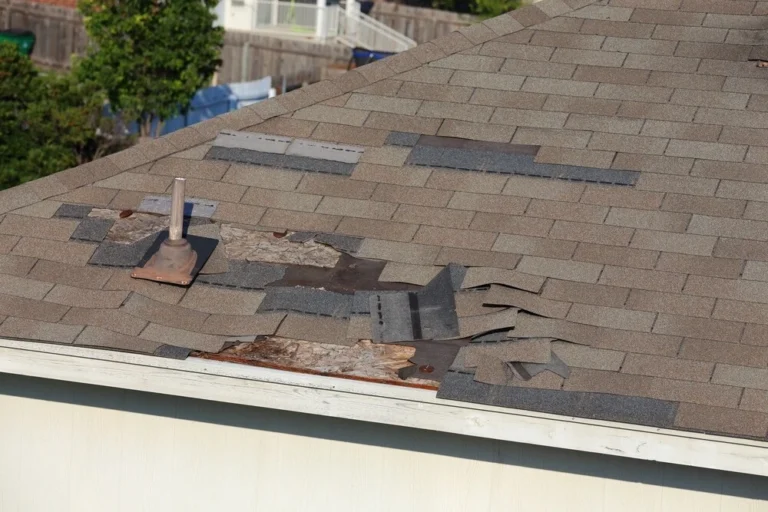
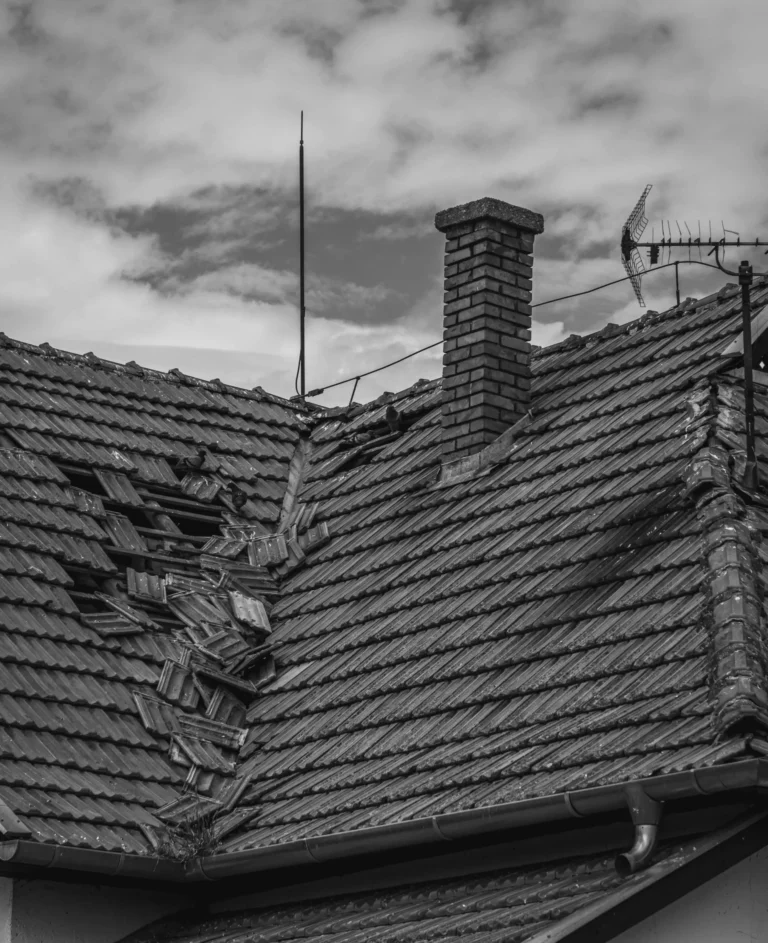
  • Strong Winds & Tornado Threats – Tennessee ranks among the states most affected by severe windstorms. High winds can rip off shingles, damage flashing, and leave your roof vulnerable to leaks.
  • Hail Damage – Hail impacts can crack shingles, dent metal roofing, and shorten your roof’s lifespan.
  • Snow & Ice – Although less common, snow accumulation and ice dams can stress roofing structures and create hidden leaks.

Your roof is your home’s first line of defense against these hazards, making regular inspections, timely roof repair, and storm-ready materials essential.

shingle damage for roofing contractors in Knoxville, TN; Tennessee roof repair companies

4 Signs Your Roof Is About to Collapse

4 Signs your roof is about to collapse A roof rarely fails without warning. In most cases, there are clear signs long before a collapse becomes a real danger. Cracks, leaks, sagging, and moisture issues often start small but gradually weaken the entire roofing system if they’re ignored. Understanding these warning signs can help homeowners take action early and avoid serious structural damage. As a local team at Daniel Hood Roofing Systems, we’ve seen how quickly minor roofing problems can turn into major safety risks when repairs are delayed. 1. Cracking in the Roof Structure or Ceiling Cracks in ceilings or along roof framing often signal that the structure is under stress. This usually develops after long-term exposure to moisture, storm damage, or aging materials. In many homes, these cracks are linked to underlying issues such as rot, impact damage, or material failure—some of the most common types of roofing damage that compromise roof integrity. When cracks begin spreading or reappearing after patching, the roof may no longer be supporting weight properly. 2. Persistent or Worsening Roof Leaks A single leak is already a concern, but recurring leaks are far more dangerous. Water that repeatedly enters the roof system can soak insulation, weaken decking, and add excess weight to the structure. Over time, this creates conditions where collapse becomes possible. Many homeowners underestimate how quickly the dangers of a leaking roof escalate once water reaches structural components. If a leak suddenly worsens during a storm, following practical steps to handle a roof leak safely can help reduce interior damage while professional repairs are scheduled. 3. Sagging or Uneven Rooflines A sagging roofline is often one of the most serious warning signs. This typically means the roof structure is no longer strong enough to support its load due to moisture damage, aging materials, or long-term neglect. Sagging may start subtly but can worsen quickly, especially after heavy rain or snow. At this stage, professional residential roof repair is usually necessary to prevent further structural failure. If you’re noticing recurring leaks, spreading ceiling stains, or early signs of sagging, having a professional inspect the roof sooner rather than later can help prevent serious structural damage. A trained roofing specialist can identify hidden issues before they turn into costly repairs or safety risks. Schedule a Professional Roof Inspection 4. Loose, Missing, or Deteriorating Shingles When shingles are cracked, curling, or missing, the roof loses its ability to shed water properly. This allows moisture to penetrate deeper layers, accelerating rot and weakening the roof deck. During storms, exposed areas can deteriorate rapidly, sometimes requiring emergency roof repair services to stabilize the structure before more serious damage occurs. What to Do If You See These Signs When any of these signs appear, the safest step is to avoid walking on the roof or attempting quick fixes. Roofs showing structural stress can fail unexpectedly, increasing the risk of injury or interior damage. Limiting access to affected areas, documenting visible issues, and scheduling a professional inspection as soon as possible can help prevent further deterioration. Homes experiencing leaks, sagging, or visible structural damage often benefit from timely residential roof repair, while sudden or severe issues may require emergency roof repair to stabilize the situation before conditions worsen. Roof collapse rarely happens without warning—but ignoring the signs can put your home and safety at risk. Cracks, leaks, sagging, and moisture problems only worsen with time. Addressing these issues early can protect your roof structure, extend its lifespan, and help you avoid emergency repairs. If you’ve noticed any of the warning signs discussed above, a professional roof evaluation can give you clarity and peace of mind. Whether the issue requires routine repair or urgent attention, having an experienced roofing team assess the situation is the safest next step. Request a Roof Inspection Today

4 Signs Your Roof Is About to Collapse Read More »

types of roof damage in knoxville, tn; roof repair contractors in Knoxville, TN

Harsh Weather Conditions That Can Damage Your Roof

The roof is one of the most significant protective features of a home. The integrity of the top keeps the homeowner and their family comfortable. Weather conditions, however, tend to create a mess on the roof, which can cause problems and discomfort to the homeowner. These problems must be addressed before they happen to prevent unfavorable conditions for the people living in the home. The most dangerous harsh weather conditions that damage the integrity of a home include: 1. Heavy Rains Heavy rains cause water accumulation on the roof surface. The infiltration of this moisture in the attic space and the ceilings can cause mold and wood damage. Water leaks through small roof openings that later reach other parts of your home and lead to property damage. 2. Ice and Snow Heavy snowfalls cause severe problems in your home if not properly handled. Moving snow can cause roof leakages, physical damage, and structural damage to the roof. Wood shakes and shingles tend to absorb heavy snow, which can freeze and crack the roof. 3. Strong Winds Strong winds can cause roof leaks, damage to the roofing material, and physical damage to your property. Strong winds cause structural damage by forcefully lifting the roof away from its support structure. Proper maintenance and installation from roofing experts ensure that your roof structure can handle these conditions. 4. Hot Weather Over Time Hot weather on a roof can cause severe damage to your home. The hot sun can cause shingles to expand and contract with temperatures in the attic. The heat expansion of the shingles can cause them to detach from the roof, causing dangerous conditions for people living on your property. Harsh weather conditions pose a significant threat to the integrity of the roof and can lead to structural damage to your home. However, with proper care from a professional roofer, you can avoid damages brought on by harsh weather conditions. Contact us today to learn more!

Harsh Weather Conditions That Can Damage Your Roof Read More »