

May 29, 2025
4 min read
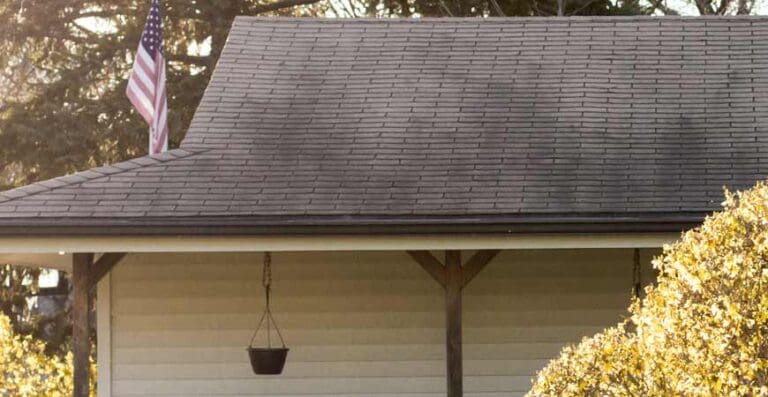
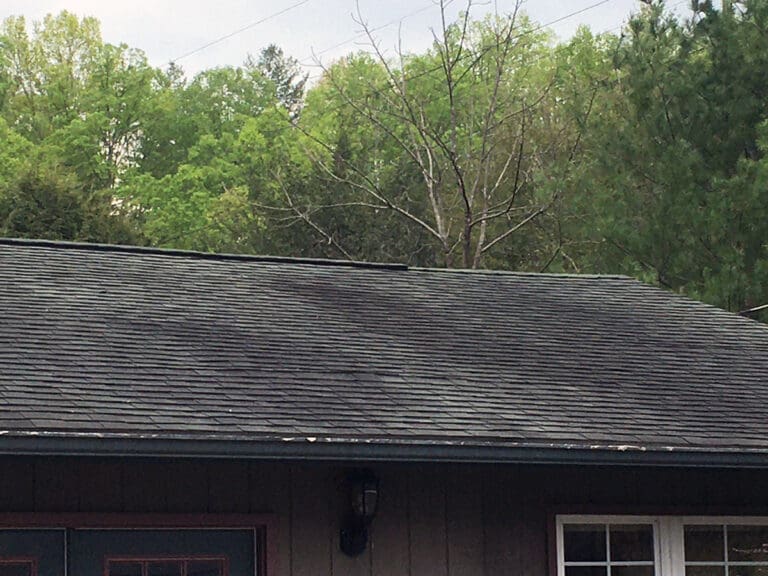
Dark streaks, black stains, or patchy discoloration on your roof are more than just an appearance issue. In many cases, what looks like black mold is actually algae or mold caused by moisture buildup, shade, and poor airflow.
These marks often show up as long black lines or uneven patches on shingles, especially in humid areas. If you’re unsure where these growths usually appear, this guide on where roof mold commonly forms can help homeowners spot problem areas early.
Even when it isn’t harmful mold, this type of growth can still cause problems over time. Mold and algae can trap moisture on your roof, leading to faster shingle wear, a shorter roof lifespan, and reduced curb appeal.
In some cases, ongoing moisture issues on the roof can also contribute to damp conditions throughout the home. Knowing where mold tends to develop and how to prevent it is an important step in protecting your roof and avoiding unnecessary repairs.
Our lush landscapes, frequent rainfall, and high humidity create a paradise for black mold. This algae feeds on the limestone filler in shingles, creating dark streaks all across your roof.
Not all dark or green growth on a roof is the same. Mold, algae, and moss each look different and can affect your roof in different ways. Knowing what you’re dealing with helps you decide whether it’s a simple cleaning issue or something that needs professional attention.
Black Algae
Usually appears as long, dark streaks running down the roof. These streaks often follow the path of rainwater and are common on asphalt shingles, especially in humid or shaded areas. Algae is mostly a cosmetic issue but can make a roof look old much faster.
Black Mold
Often shows up as dark patches or blotchy spots rather than straight lines. It tends to grow in areas where moisture sits longer, such as roof edges, valleys, or poorly ventilated sections. Mold can hold moisture against the shingles, which may lead to faster wear over time.
Trying to remove mold, algae, or moss on your own can be dangerous and may damage your roof. Before attempting any cleaning, it’s important to understand the risks of DIY roof work. In most cases, professional roof cleaning services are the safest way to identify the issue and remove growth without harming your shingles.
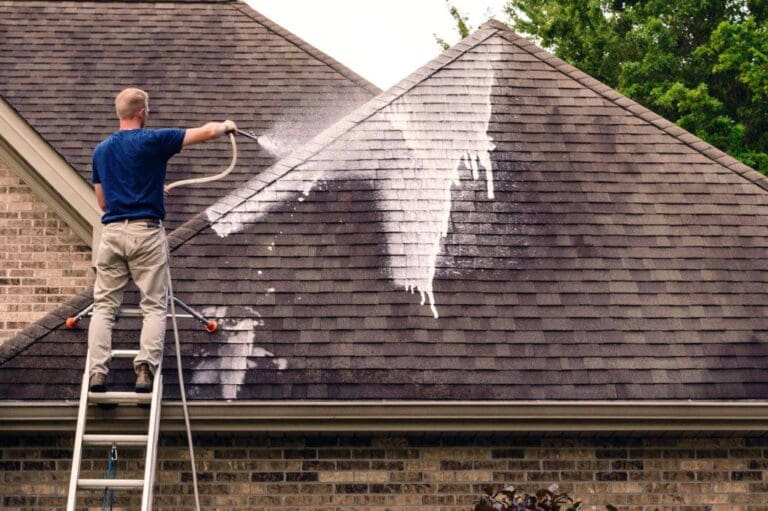
At Daniel Hood Roofing, we use a soft wash method that applies low pressure techniques and manufacturer approved cleaning solutions to safely remove algae, black mold, and mildew. High pressure washing (often used in DIY attempts, especially for black mold roof cleaning) can strip granules from shingles, damaging your roof and voiding warranties. The Asphalt Roofing Manufacturers Association (ARMA) warns against such methods.
Our cleaning solutions not only eliminate existing algae but also inhibit regrowth, keeping your roof cleaner for longer. The process is safe for your shingles, your landscaping, and the environment, ensuring your home stays protected without collateral damage. A clean roof doesn’t just look great—it can extend the life of your shingles, improve energy efficiency and boost your home’s value.
If your roof is within the warranty period and shows any signs of algae, the manufacturer may cover the cost of a professional roof wash—or even a partial replacement in severe cases. Check your roofing contract or reach out to the company who installed your roof to confirm your warranty details.
If you’re unsure, Daniel Hood Roofing can help navigate the process- from verifying warranty coverage to coordinating with manufacturers. Don’t let this opportunity slip through your fingers, those free washes can save you hundreds of dollars!
Black mold doesn’t wait, and neither should you! The longer algae sits on your roof, the more damage it can cause. A clean roof also enhances your home’s curb appeal, which is crucial if you’re considering selling in this competitive housing market.
Don’t wait until the final whistle! Rising material costs mean now’s the time to tackle black mold before it turns into a costly repair blitz.
Roof mold and algae thrive in environments where moisture and shade stick around too long. When water doesn’t drain properly and sunlight can’t dry the roof surface, it creates the perfect conditions for growth to return—even after cleaning. The good news is that a few simple maintenance steps can greatly reduce future mold problems.
Keep gutters clean and flowing properly
Clogged gutters cause water to back up and spill onto the roof, keeping shingles wet longer than they should be. Regular gutter cleaning and using effective gutter protection systems can help rainwater move off the roof more efficiently and reduce moisture buildup along edges and valleys.
Trim overhanging trees and branches
Trees that hang over the roof block sunlight and limit airflow. Trimming branches allows more sun to reach the shingles, helping them dry faster after rain. Proper planning and smart tree placement near your home can also prevent future roof damage and reduce shaded areas where mold and algae tend to grow.
Improve attic ventilation
Poor attic ventilation traps warm, moist air inside the home, which can rise and affect the roof structure. Proper ventilation helps control moisture levels, reduces condensation, and supports a healthier roof system overall.
Consider preventive treatments or metal strips
Some homeowners use preventive roof treatments or install zinc or copper strips near the roof ridge. When rainwater flows over these metals, it can help slow algae and mold growth over time. These options work best when combined with regular roof maintenance.
Taking these preventive steps can help keep your roof cleaner for longer, reduce repeat mold issues, and extend the life of your shingles. Regular inspections and maintenance make it easier to address small moisture problems before they turn into bigger, more expensive repairs.
Minor mold or algae buildup can sometimes be handled by homeowners, but roof cleaning always comes with safety risks. Knowing what’s safe—and when to stop—is critical.
Low-pressure soft wash solutions
Roof-safe, gentle cleaning products
Long-handled tools used from stable ground
Never use pressure washers on your roof
Wet shingles and ladders increase fall risk
Avoid DIY cleaning if you have breathing or health issues
Steep or multi-story roofs
Large or widespread mold or algae growth
Older, damaged, or fragile shingles
For situations beyond basic cleaning, this guide on roofing repair and maintenance made simple explains when professional help is the safer and smarter choice.


Regular roof washes are an investment in your home’s future. They’re quick (typically taking just a few hours) and the results are immediate. Don’t forget: if your roof is still under warranty, you might not have to pay a dime out of pocket. Roof outside your warranty period? Schedule a professional wash- it’s far more affordable than replacing damaged shingles or in some cases, replacing the entire roof.
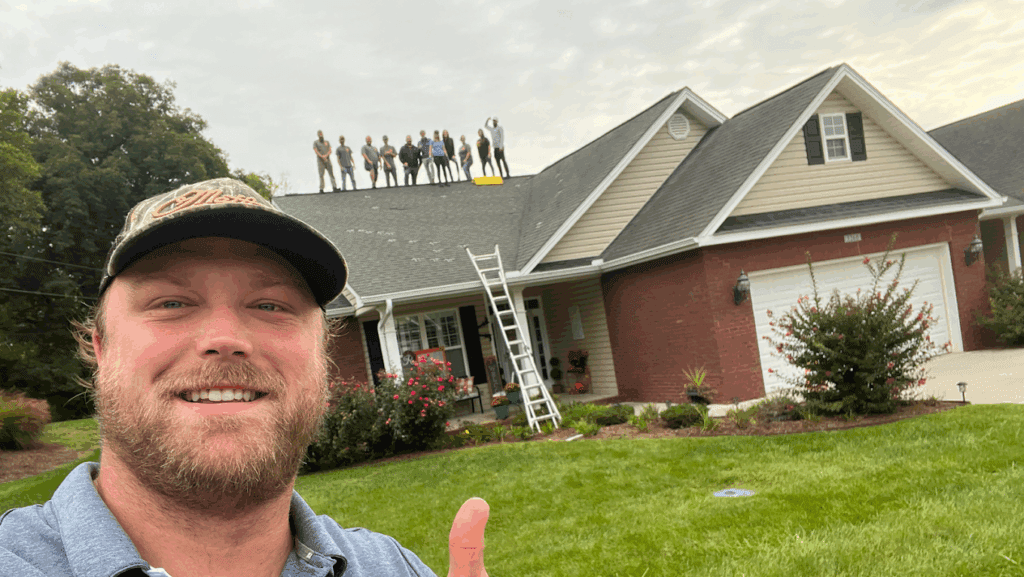
At Daniel Hood Roofing, we’re more than just a roofing company—we’re your neighbors that are committed to serving East Tennessee with the same grit and heart that I brought to the Vols’ defensive line.
Our team has undergone extensive training in roof washing and are highly knowledgeable about our eco-friendly products, which are designed to safeguard your home and support a healthier climate.
Black mold, algae, and dark streaks may start small, but if left untreated, they can shorten your roof’s lifespan and lead to costly repairs. Acting early helps protect your shingles, maintain your home’s appearance, and avoid bigger problems down the road.
We take pride in helping homeowners maximize their warranties, so if your roof qualifies for a free wash, we’ll help guide you through the process. As a Knoxville native, I know how much your home means to you, and we’re here to help keep your roof healthy for years to come.