
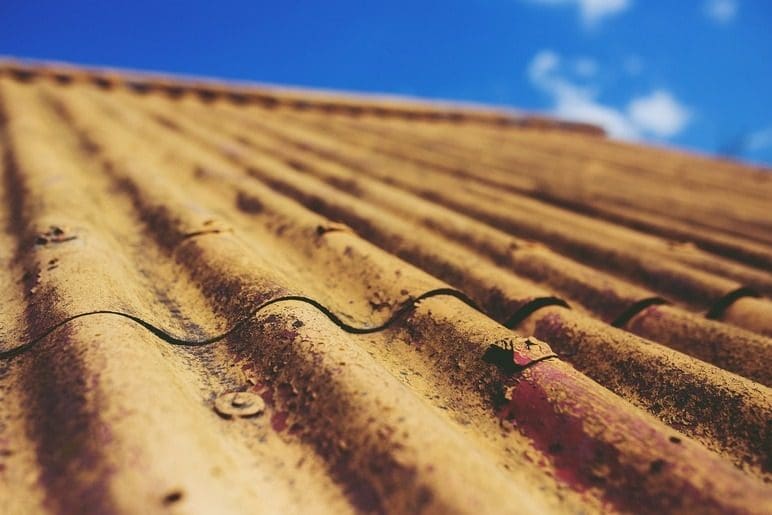
Roofs in Knoxville and East Tennessee deal with constant weather stress. Heavy rain, strong winds, summer heat, falling leaves, and occasional hail can slowly damage your roof — often before homeowners notice anything wrong.
Many people don’t realize there’s a problem until leaks, missing shingles, or ceiling stains appear. At that point, a small issue can turn into a costly repair. Learning the most common types of roofing damage helps you spot warning signs early and protect your home. For a deeper breakdown of causes, fixes, and what to expect, our roofing damage repair homeowner’s guide is a helpful place to start.
In this guide, we’ll cover the 7 most common types of roof damage seen in Knoxville homes and help you know when it’s time to schedule a professional inspection.
What Are the Most Common Types of Roofing Damage?
Understanding what causes damage to your roof is crucial for effective prevention and timely intervention. Below are the most common types of roof damage and tips on how to prevent them.
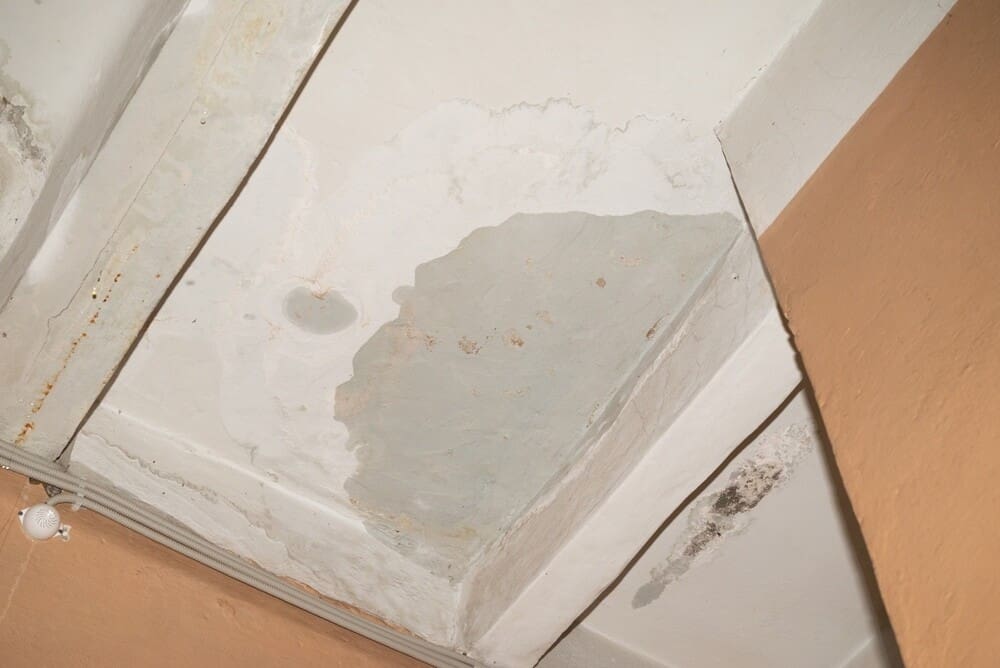
1. Water Damage
Water damage to your roof can start as a minor issue but quickly escalate into something more serious if left uninspected. By recognizing the signs of water-related roof damage and taking proactive steps to prevent it, you can extend the lifespan of your roof and protect your home from costly water damage.
Signs of Damage:
- Water stains on your ceilings or walls.
- Peeling or bubbling paint on walls or ceilings.
- Wet or damp insulation in the attic.
How to Prevent It:
- Inspect your roof regularly, especially after storms or extreme weather conditions.
- Check for standing water after heavy rain and address blockages promptly.
- Hire a professional roofing contractor to perform regular roof maintenance.
2. Shingle Damage
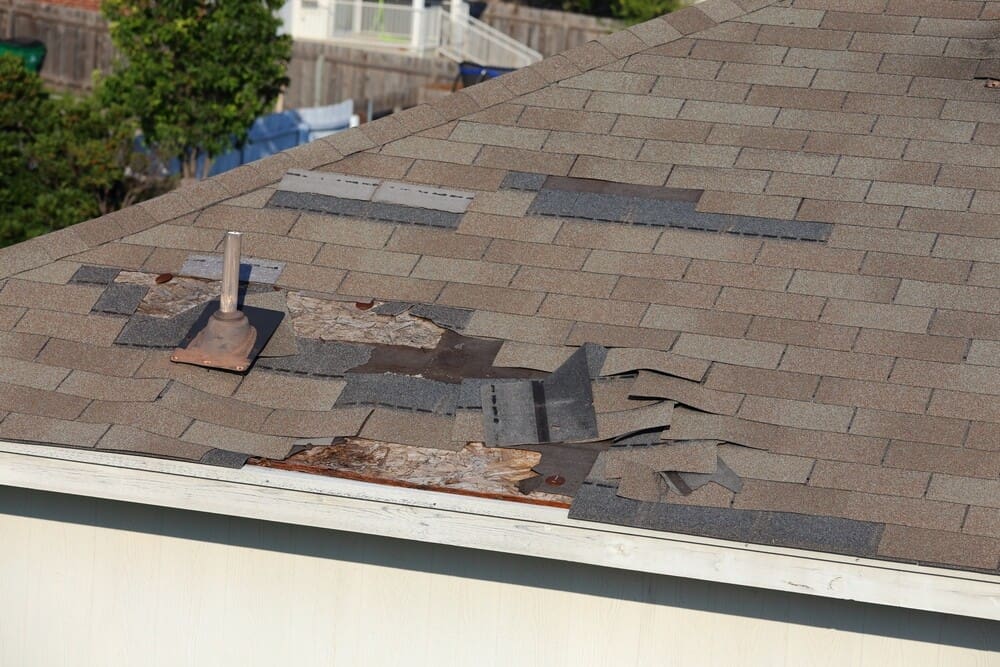
Another common type of roofing damage is shingle damage. Shingles—made from asphalt, tile, or wood—can crack, curl, blister, or cup over time, and missing shingles are a clear sign something is wrong. Whether caused by aging materials, storm impact, or poor installation, damaged or missing shingles leave gaps that allow water to seep into your roof. Understanding the benefits of asphalt shingles can help homeowners choose durable materials and take early action, preventing costly repairs and extending the overall life of the roof.
Signs of Damage:
- Visible cracks, splits, or tears in individual shingles.
- Fallen shingles in the yard or around the perimeter of the house after a storm.
- Shingles that are loose or displaced.
How to Prevent It:
- Look for signs of damaged or missing shingles, granule loss, curling edges, or any other irregularities.
- Invest in high-quality shingles, such as asphalt shingles (for high winds) or impact-resistant shingles (if you live in an area prone to hail or severe weather).
- Regularly check for falling branches or limbs that could damage your shingles.
- If you’re unsure about the condition of your roof, hire a professional roofer to conduct a thorough inspection.
3. Sagging Roof
Roof sagging is one of the most serious types of roofing damage because it can lead to structural failure, property damage, or even injury. It’s often caused by excess weight on the roof, weak internal support, or undersized trusses, and these issues can develop slowly over time.
Learning the signs your roof may be about to collapse helps homeowners recognize warning signals early and take action before the problem becomes dangerous or costly.
Signs of Damage:
- Visibly uneven or bowed roofline—a noticeable dip or depression along the ridge or center of the roof.
- Cracks in the interior walls or ceilings as a result of shifting roof supports or sagging rafters.
- In cases of severe sagging, water may pool in the attic due to the roof’s inability to drain properly.
How to Prevent It:
- Reinforce the rafters or trusses by adding additional support beams or braces.
- Repair leaks as soon as possible, particularly in the attic or ceiling.
- Ensure that the roof’s weight distribution is balanced, and that support beams and rafters are correctly spaced.
- Consult with a structural engineer if you suspect the roof structure is not properly reinforced.
4. Hail-Related Roof Damage
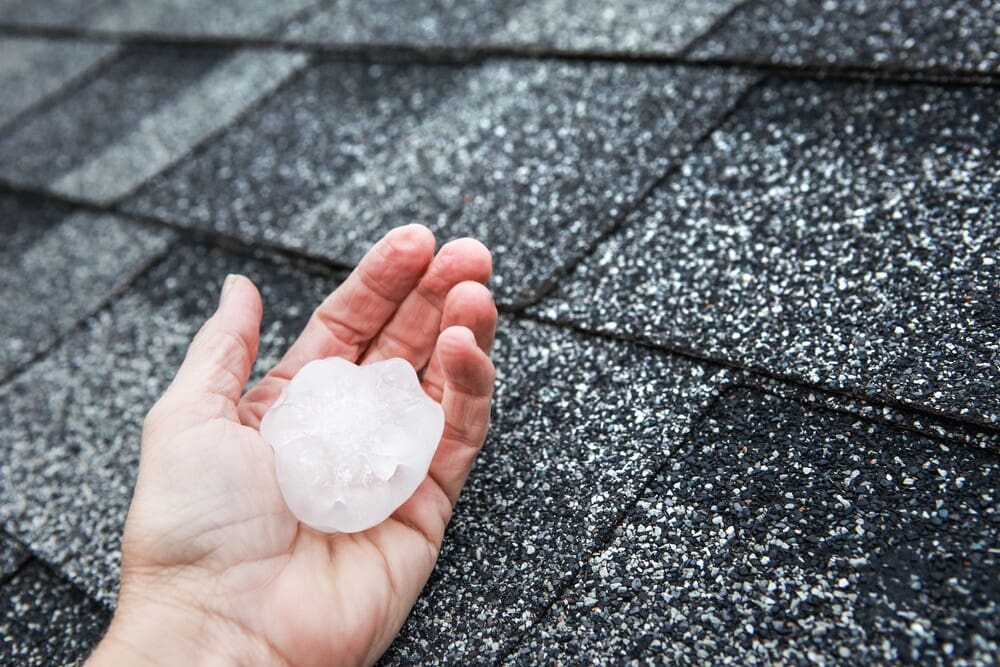
Hail damage is often an overlooked roofing issue that can cause significant problems. It’s infamous for scratches and scrapes, which remove the topmost protective layer of shingles. Hailstones, especially large ones, can cause significant damage to shingles, flashing, gutters, and other roof components.
Signs of Damage:
- Appearance of dents on roof shingles. Hailstones can leave noticeable marks on the surface of shingles, which causes them to lose their protective granules.
- Shingles that are curling or buckling at the edges after a hailstorm.
- Shingles that feel spongy or squishy, indicating that the underlying material has been compressed.
How to Prevent It:
- Install impact-resistant shingles or roofing materials to reduce the risk of damage, such as metal or polymer-based roofing.
- If your area is prone to hail, consult with a professional roofing company to determine if a hail guard system can be installed over your roof.
- Perform routine maintenance or schedule annual or semi-annual inspections with a licensed roofing contractor.
5. Flashing Damage
Roof flashing is the thin metal material that seals gaps and directs water away from vulnerable areas of your roof. When flashing becomes damaged, rusted, or loose, it can allow water to seep in and cause leaks, mold growth, and even structural issues.
Flashing is especially important around chimneys, vents, skylights, and roof valleys, where water runoff is concentrated. Using durable materials and proper repair methods—such as quality metal roofing repair products—helps maintain a watertight seal and protects your home from long-term water damage.
Signs of Damage:
- Visible gaps or spaces between the flashing and the roofline.
- Crumbling or corroded edges, especially where the flashing meets the roof surface.
- Discoloration or yellow-brown stains on ceilings or walls near flashing points.
- Flashing that shifts or rattles in high winds or storms, or doesn’t sit snugly against the roof surface.
How to Prevent It:
- Check for visible gaps, rust, or corrosion in the flashing.
- Inspect areas around chimneys, vents, skylights, and roof valleys where flashing is commonly used.
- If you’re unsure about how severe the flashing damage is, hire a qualified roofing professional in your area who is highly knowledgeable about proper flashing installation techniques.
6. Heat-Related Roof Damage
Excessive heat can damage your roof just as much as storms or heavy rain. Prolonged exposure to high temperatures, direct sunlight, and humidity can cause shingles to curl, warp, or blister, speeding up material wear and reducing your roof’s lifespan.
Heat-related damage often develops gradually, making it easy to overlook until repairs are needed. Working with trusted local roofing repair companies can help you identify heat damage early, prevent further deterioration, and avoid costly repairs down the line.
Signs of Damage:
- Faded or discolored shingles, turning from deep brown, black, or gray to a lighter shade.
- Deteriorated roof sealant. Cracks or gaps in the sealant around roof penetrations.
- Increased energy costs. If you notice a spike in your cooling costs during hot weather, it could indicate heat damage to your roof.
How to Prevent It:
- Improve roof ventilation by installing ridge vents, soffit vents, and attic fans to create a balanced airflow.
- Use heat-reflective roofing materials to minimize heat absorption.
- Schedule annual roof inspections with a professional roofer to catch heat-related damage early.
7. Mold Growth
Excess moisture on your roof creates the perfect environment for mold growth. While it may start as a surface issue, mold can work its way into shingles and other roofing materials, leading to damage, musty odors, and potential health concerns.
Over time, mold growth can weaken your roof and reduce its overall lifespan. Learning when professional black mold roof cleaning is needed helps protect both your home’s appearance and the integrity of your roofing system.
Signs of Damage:
- Discoloration or staining on roof shingles, especially in the valleys, under overhangs, or near gutters.
- Greenish or black patches that grow larger over time.
- Soft or spongy sections of roofing material that can easily be damaged by hand.
How to Prevent It:
- Ensure that vents are not blocked by insulation or debris, which can trap moisture.
- Make sure downspouts are clear and directing water away from the foundation.
- Trim any trees or branches that hang directly over your roof or gutters.
- Consult with your roofing contractor about what products you can use to prevent mold growth specific to the type of roofing materials and climate you have.

The Importance of Regular Roof Inspections
Routine roof inspections are essential for identifying early signs of roof damage before they become serious issues. This can help you catch problems like missing shingles, granule loss, or mold growth and take action before they lead to further deterioration. Detailed inspections from a professional roofer at least once or twice a year, especially after a storm or extreme weather condition, can help you save on replacing your entire roof.
Rely on Daniel Hood Roofing for Your Roof Repair Needs in Knoxville, TN
If you’re dealing with any type of roofing damage, Daniel Hood Roofing Systems is the team you can trust. Our experienced roofers use high-quality materials, proven repair methods, and careful workmanship to deliver long-lasting results.
We’re trained to identify problems quickly, explain your options clearly, and complete repairs efficiently without cutting corners. Don’t wait for small issues to turn into costly damage—contact Daniel Hood Roofing Systems today to schedule your free roof inspection and estimate.