


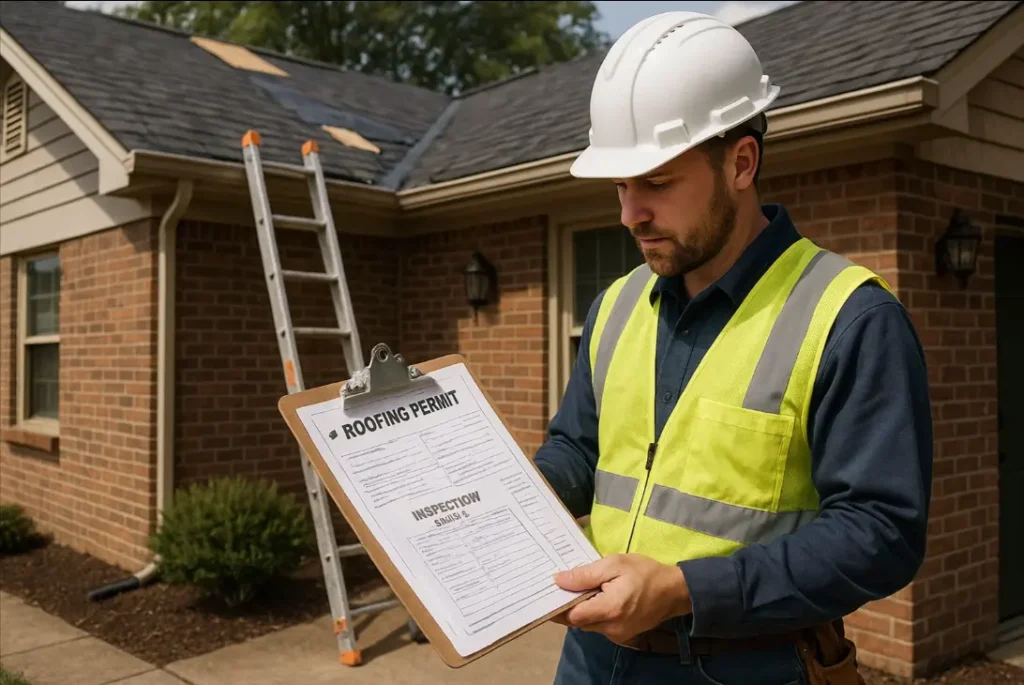
Tennessee’s weather brings heavy storms, wind, and seasonal temperature swings, making roofing repairs and replacements common. But before choosing a contractor, homeowners must understand Tennessee roofing laws, including licensing rules, project-value limits, building code requirements, and inspection processes. Following these laws doesn’t just keep projects legal—it also protects homeowners from scams, poor workmanship, and costly re-dos.
Why Tennessee Roofing Laws Matter
Roofing is considered a skilled trade regulated by the Tennessee Board for Licensing Contractors. These laws exist to ensure roofers use safe practices, follow material standards, and operate with proper insurance—standards that directly impact how modified bitumen roof repair is performed. Understanding these requirements helps homeowners choose legitimate contractors and avoid legal liabilities.
Contractor Licensing Requirements
Tennessee requires different contractor licenses depending on the job size:
Projects Under $25,000
A license is not required for small jobs. However, many homeowners still prefer working with roofers familiar with Tennessee codes. To understand when licenses are required, the resource on roofing license requirements in Tennessee explains the state’s rules clearly.
Projects Above $25,000
A Tennessee contractor license is required. Contractors must pass exams, verify financial stability, and carry proper insurance.
Large Residential or Commercial Projects
These must be performed by contractors with the proper classification, including unlimited residential or commercial endorsements. Choosing a licensed roofer protects homeowners from code violations and failed inspections, especially in urgent situations where emergency roof repair is needed to prevent further damage and ensure the work is done correctly the first time.
Permit Requirements for Tennessee Roofing
Most Tennessee counties and cities require roofing permits for:
- Full replacements
- Structural repairs
- Decking modifications
- Ventilation changes
- Changing roofing materials
Permit rules vary by city. Homeowners often refer to the state’s official roofing code guide for clarity. The breakdown in Tennessee roofing building codes helps explain permit requirements for different counties.
A legitimate roofer will always handle permits for you.
Material heavily affects the cost. Here’s a quick comparison:
Roofing Inspections in Tennessee
Depending on your county, roofing inspections may include:
- Dry-in inspection (underlayment, waterproofing)
- Nail pattern or decking inspection
- Ventilation check
- Final inspection after installation
Inspections ensure the roof meets state standards. To prepare for post-repair evaluations, many homeowners review practical maintenance tips like the ones in repair recommendations for Tennessee roofs.
Wind Rating & Code Compliance
Tennessee is divided into wind zones. Areas with higher storm activity require:
- Stronger underlayment
- Higher wind-rated shingles
- Extra fasteners
- Reinforced flashing
- Enhanced ridge caps
Contractors familiar with Tennessee standards usually follow the guidelines promoted by the Tennessee Roofing Contractors Association.
Following wind-rating requirements prevents insurance claim issues, especially after severe storms.
Insurance and Legal Requirements
Before allowing work on your home, verify that your roofer has:
- A valid Tennessee contractor license
- Liability insurance
- Workers compensation
- Recent permit history in your county
Homeowners must also keep a written contract listing materials, price, warranties, and cleanup details. Failing to verify licensing is one of the top reasons insurance companies deny storm-related roof claims.
Homeowner Responsibilities Under Tennessee Roofing Laws
Homeowners must ensure that:
- The contractor pulls all required permits
- The materials meet Tennessee code standards
- Inspections pass successfully
- Payments follow written agreements
Educating yourself ensures you avoid fines, failed inspections, and unlicensed work.
Conclusion
Understanding Tennessee roofing laws helps protect your home from unsafe installations and legal problems. Licensing requirements, building codes, and inspection processes ensure your roof is built to withstand Tennessee’s storm-heavy climate.
To explore more homeowner roofing guides, visit the complete library of articles in the Tennessee roofing blog.
Get your free, no-obligation roof inspection
Fastest service
Call 865-851-5002Talk to our scheduler and book your free inspection in one call. Monday – Sunday, 8 AM – 8 PM.
- Free, no-obligation inspection
- A written, itemized estimate before any work begins
- Licensed and insured, family owned for 15+ years
Prefer we call you?
Request your free, no-obligation estimate and we will call to schedule.