June 2023

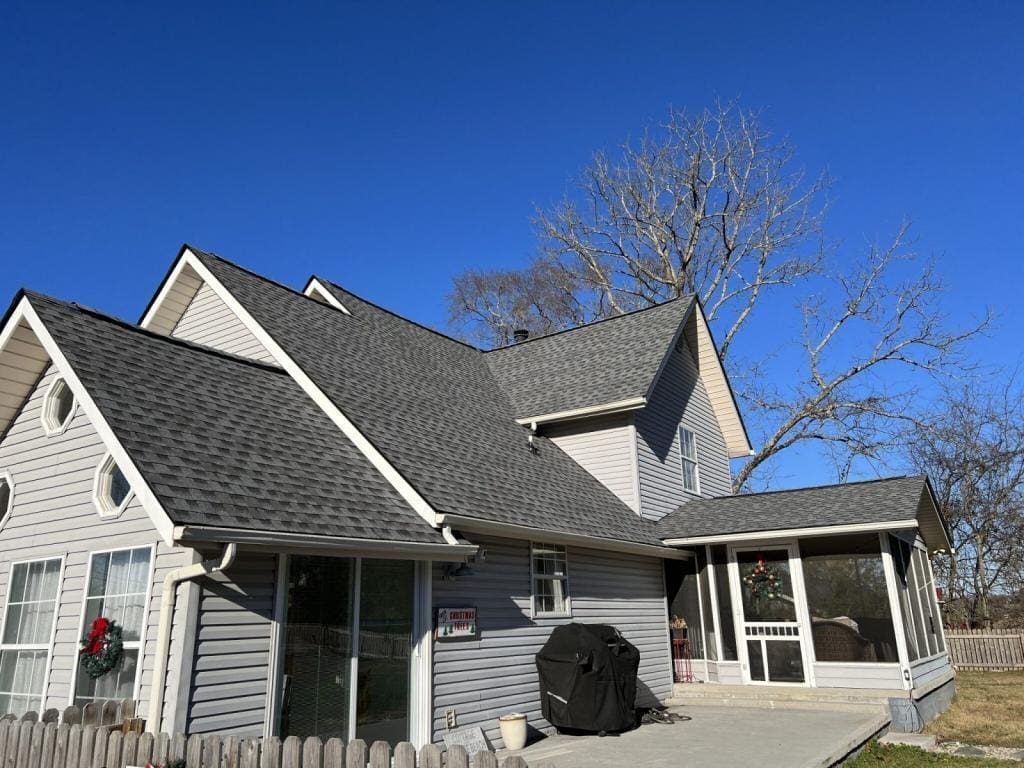
house with repaired roof in knoxville, grey roof and siding

Why Are Roofing Jobs So Expensive?

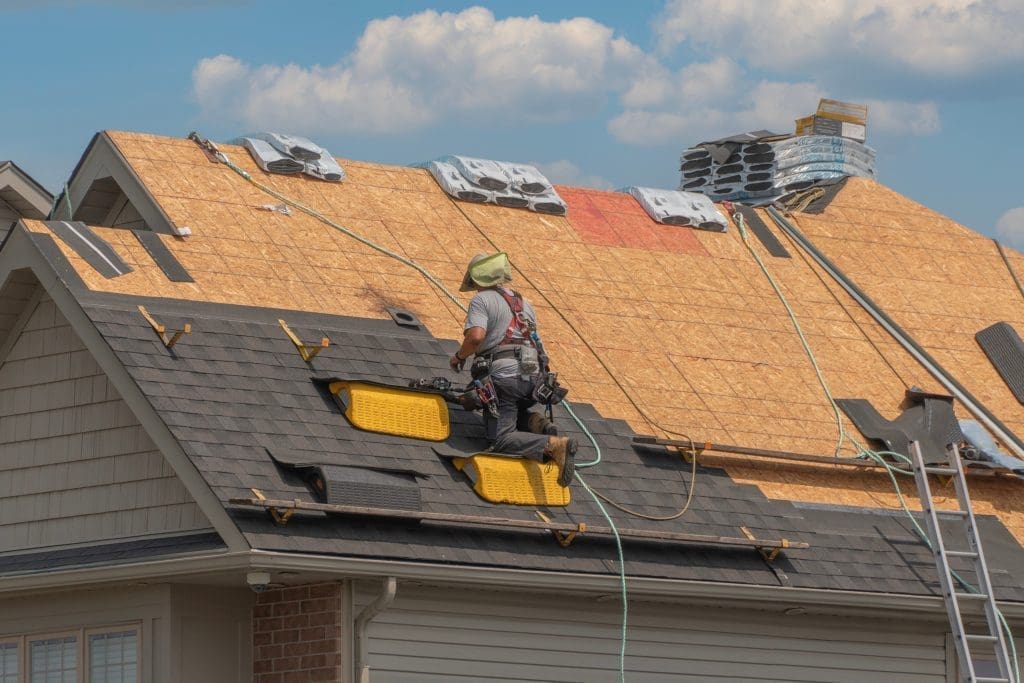
When it’s time to replace your roof or even repair sections of it, you may be surprised to learn how expensive the job is. Let’s face it, roofing jobs are expensive, and there are quite a few reasons why. Labor Costs Roofing replacement or repair jobs are physically demanding jobs that require skilled labor. Roofers have to work at different heights and in difficult weather conditions, and they need to be trained and experienced to perform their work safely and efficiently. This means that roofing companies must pay their workers fairly for these skills and experience. This alone can drive up labor costs. Additionally, roofing companies may need to hire subcontractors to perform certain tasks, such as electrical work or structural repairs. Materials The cost of raw materials used in roofing, such as asphalt, metal, clay, or concrete, can vary depending on their availability, demand, and quality. For example, high-quality shingles cost more than lower-quality ones, and metal roofing materials are more expensive than asphalt shingles. What’s more, roofing materials are often heavy, bulky, and difficult to transport, which can drive up the cost of installation jobs. Plus, the weight and volume of these raw materials can directly affect the amount of labor required to install the roofing system. Roofing Equipment Roofing work can be dangerous, and roofing companies need specialized equipment to make sure their workers are safe. This equipment includes ladders, scaffolding, safety harnesses, and other protective gear. The cost of this equipment is often factored into the overall cost of the job. Tools, such as nail guns, roofing saws, and other equipment, can make the job more efficient, allowing workers to complete the job faster. This equipment can be expensive to purchase and maintain. In addition, roofing equipment must be able to withstand weather conditions such as rain, wind, and extreme temperatures. Workers may also have to access difficult-to-reach areas when repairing or installing a roof. This may require specialized equipment, such as lifts or cranes, which can be expensive to rent or purchase. Insurance & Permits Roofing companies need to carry insurance to protect themselves as well as their clients from liability in case of accidents or damage to property. The cost of this insurance can be high due to the risks associated with roofing work, including falls, equipment failure, or property damage. Many cities require permits for roofing work, and this can add to the overall cost of the job. The cost of these permits will vary depending on the location and the type of roofing work being performed. In addition to obtaining permits, roofing companies must follow regulations and building codes when performing their work. This may require additional training or equipment, which can add to the overall cost of the job. Our Roofing Services in East Tennessee If you need roofing repair or replacement services, contact Daniel Hood Roofing Systems. Our expert roofing contractors are ready to answer any questions you may have. Call now to schedule a free estimate!

Why Are Roofing Jobs So Expensive? Read More »

finding a good roofing contractor in Knoxville, TN for roof repair and roof replacement

Questions to Ask When Hiring a Roofer

A good roofer can do so much for your home. They can help locate any leak, fix it promptly, and keep your home in fine shape for as long as you own it. The following questions are an essential part of finding the right roofer today. What Kind of Insurance Do You Have? Well-prepared roofers follow all safety procedures. They are well-versed in procedures that will keep their employees focused on the job at hand without obstacles. However, even the best-prepared roofing company workers may encounter difficulties working on your roof. Make sure the insurance company has the right coverage for their employees in the event of an accident. Tell Me About Your Warranties Most new roofs come with a year-long warranty. Some roofers can offer even longer roofing warranties that allow homeowners even more protection. In general, you can expect the warranty offered to have a system in place where the manufacturer covers the materials used in the roof while the roofing company covers any labor costs. Keep in mind an extended warranty is likely to cost more than a standard warranty. Find out the cost of the warranty and exactly what it covers before you choose this option. How Long Have You Been in the Roofing Business? An ideal roofer has years of experience. This kind of experience can come from working an apprenticeship, working with an experienced roofer, and starting a roofing business. Ask them about the types of roofing experience they have such as residential and commercial. Can You Give Me an Estimated Time Frame? Some roofing repairs and replacements are quick. A few missing shingles may take an hour or so to fix. Putting on a new layer of asphalt shingles or an entirely new roof can take a lot longer. Ask your roofer how long the job you have in mind is likely to take to complete.

Questions to Ask When Hiring a Roofer Read More »

Roof Safety: The Don’ts of DIY Home Roof Maintenance

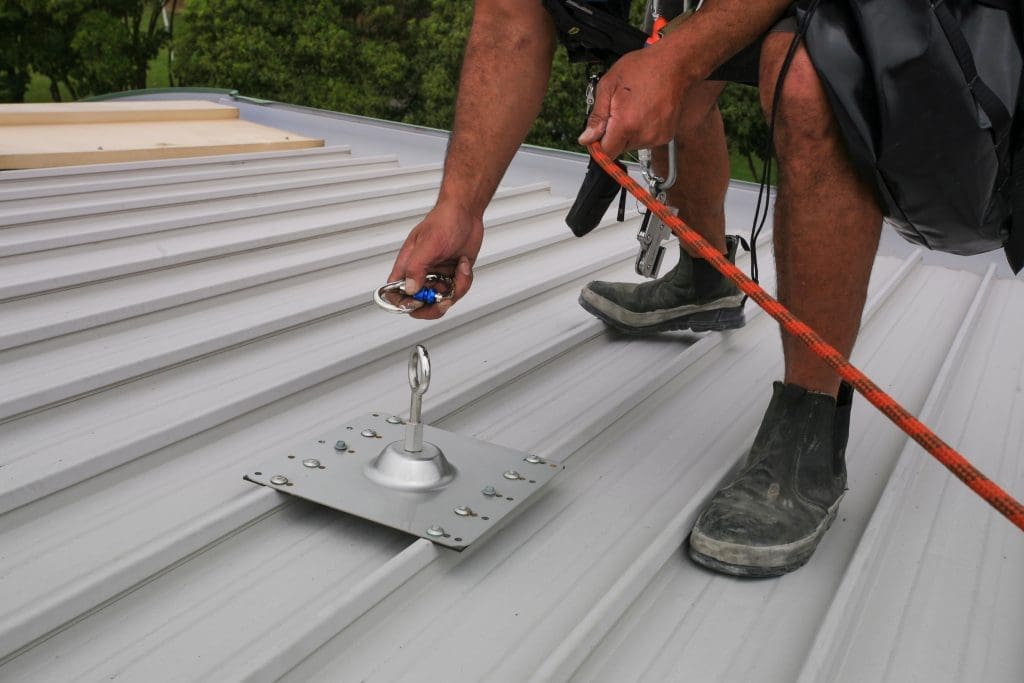
Roof Safety: The Don’ts of diy Home Roof Maintenance Many homeowners think DIY roof maintenance is a quick way to save money, but working on your roof can be far more dangerous than it looks. One wrong step, slippery shingle, or unstable ladder can lead to serious injuries, costly mistakes, or even long-term damage to your home. Roof safety is often underestimated, and small DIY errors can void warranties, create hidden leaks, or cause insurance issues later on. Before climbing up, it’s important to understand the risks—and the legal requirements involved. If you’re unsure about who should handle roof work, reviewing roofing license requirements in Tennessee is a smart place to start. At Daniel Hood Roofing Systems, we’ve seen firsthand how unsafe DIY roof maintenance can quickly turn into an emergency. Our team of trusted local roofing professionals knows how small mistakes can turn into expensive repairs. This guide covers the most important roof safety “don’ts” every homeowner should know before attempting any roof work ❌ Don’t Climb on Your Roof Without Proper Safety Gear Many homeowners climb onto their roof thinking it’s just a quick check or a simple fix. In reality, roofs are one of the most dangerous areas of a home. Without proper safety gear, even a short climb can lead to serious injury. Roofs are steep, uneven, and often slippery—even when they look dry. Most homeowners don’t have fall protection, harnesses, or the right footwear to maintain balance on shingles. Why this is dangerous: Slips and falls from roof edges Unstable ladders shifting unexpectedly No fall protection to stop serious injuries A fall from a roof can result in broken bones, head injuries, or worse. Even if you don’t fall, walking incorrectly can damage shingles and lead to leaks later. Problems like these often start small but grow into major issues, such as those outlined in the dangers of a leaky roof ❌ Don’t Walk on Wet, Aging, or Damaged Shingles Homeowners often assume they can safely walk on their roof if the weather looks clear. However, shingles can remain slippery long after rain, and older or damaged shingles may break under pressure. Cracked, curled, or loose shingles are especially risky. Stepping on them can cause sudden slips—or create new damage you won’t notice right away. Real consequences homeowners face: Sudden loss of footing Broken shingles that cause hidden leaks Voided manufacturer warranties What starts as a “quick look” can turn into costly repairs. For a better understanding of how small roof issues escalate, review this homeowner’s complete guide to roofing damage and repair ❌ Don’t Attempt Structural Roof Repairs Yourself DIY roof repairs often involve patching, sealing, or nailing without understanding what’s happening beneath the surface. Structural roof issues are never surface-level problems and should not be handled without professional experience. Improper repairs can trap moisture, worsen leaks, or weaken roof decking over time. Common DIY mistakes include: Sealing over damaged areas instead of fixing the cause Improper nail placement Using incorrect materials These errors can lead to rot, mold, and long-term structural damage. If a repair feels urgent, it’s best to skip DIY attempts and explore professional emergency roof repair options instead ❌ Don’t Ignore Weather Conditions Weather plays a major role in roof safety. Wind, heat, or sudden rain can turn a roof into a hazardous surface in minutes—especially in Tennessee’s unpredictable climate. Many accidents happen because homeowners underestimate how quickly conditions can change. Weather-related risks include: Wind knocking you off balance Heat exhaustion during summer months Sudden rain creating slippery surfaces Instead of risking injury, focus on prevention and routine care outlined in this guide on roofing repair and maintenance made simple for homeowners ❌ Don’t Work Alone or Get Distracted Roof work requires full focus. Working alone or getting distracted by phones, tools, or calls increases the chance of serious accidents. Without someone nearby, even minor injuries can become emergencies. Risks include: No immediate help if you fall Delayed medical response Increased chance of mistakes ❌ Don’t Work Alone Many homeowners go up on the roof by themselves, assuming nothing will go wrong. This is one of the most dangerous mistakes in DIY roof maintenance. If you slip, lose balance, or get injured, there’s no one nearby to help. Even a minor accident can quickly turn serious without immediate assistance. Why this is dangerous: No one to help if you fall or get hurt Delayed medical response in an emergency Increased risk of panic or poor decision-making Roof accidents often lead to injuries or roof damage that homeowners don’t notice right away, which can later turn into costly problems like leaks and interior water damage. ❌ Never Ignore Weather Conditions Weather plays a huge role in roof safety. Wind, heat, and sudden rain can turn a roof into a hazard within minutes—especially in Tennessee, where conditions change fast. Homeowners often underestimate how quickly weather can affect roof surfaces. Common risks include: Wind throwing off your balance Heat exhaustion during hot months Sudden rain creating slippery shingles Attempting roof work in poor conditions often leads to mistakes that cause leaks and long-term damage. These issues are commonly seen in homes affected by leaky roof dangers ❌ Avoid Walking on a Wet or Slippery Roof A roof doesn’t need to be actively raining to be dangerous. Morning dew, humidity, moss, or aging shingles can make the surface slick. Homeowners often step onto the roof “just to check,” not realizing how easily shingles lose traction. Real consequences include: Sudden slips and falls Cracked or broken shingles New leaks forming under damaged areas Once shingles are damaged, water can enter the roof system and cause problems that require professional repair. Learn how these issues escalate in this homeowner’s complete guide to roofing damage and repair. ❌ Abandon Risky or Improper Equipment Using unstable ladders, worn tools, or makeshift equipment is extremely dangerous. Many homeowners rely on old ladders or tools not designed for roof work. Improper equipment increases the risk of falls and makes

Roof Safety: The Don’ts of DIY Home Roof Maintenance Read More »

Top Roofing Company in Crossville, TN

What Is the Average Timeline for a Roof Replacement?

What is the average time for a roof replacement? Replacing a roof is a major home improvement project that requires careful planning and execution. The time it takes to replace a basic roof depends on several things, such as the size and complexity of the roof, the weather, and the availability of materials and labor. On average, a basic roof replacement can take anywhere from 2 to 5 days to complete, with some larger or more complex projects taking longer. Work with a reputable roofing contractor who can give you a detailed timeline and help ensure the project is done on time and within budget. By understanding the average timeline for a basic roof replacement, you can plan accordingly and prepare your home for this important renovation. The time it takes to replace a basic roof depends on several things, such as the size and complexity of the roof, the weather, and the availability of materials and labor. On average, a basic roof replacement can take anywhere from 2 to 5 days to complete, with some larger or more complex projects taking longer. Several factors determine how long a roof replacement will take, including:   Size & Complexity of the Roof The larger and more complex the roof, the more time it will take to replace it. A complex roof with multiple pitches, valleys, and dormers will take longer to replace than a simple, straightforward roof. Weather Conditions Weather conditions such as rain, snow, and extreme temperatures can impact the timeline of a roof replacement. Roofing contractors may have to delay the project or work more slowly in inclement weather to ensure their workers’ safety and the work’s quality. Availability of Materials and Labor The availability of materials and labor can also impact the roof replacement timeline. If the materials needed for the project are readily available, the project could be completed on time. Additionally, if the roofing contractor is busy with other projects, they may have to schedule the roof replacement later. Preparation and Cleanup The time required for preparation and cleanup, such as removing old roofing materials and cleaning up the worksite, can also impact the roof replacement timeline. Quality of Work The timeline will also be affected by how well the roofer works. A contractor who takes time to do the work properly and carefully will take longer than a contractor who rushes the job. Conclusion Hiring a reliable roofing contractor who can plan a comprehensive schedule is crucial for finishing the job on time and within budget. By understanding the average timeline for a basic roof replacement and being aware of the factors that can impact it, you can plan accordingly and prepare your home for this important renovation.

What Is the Average Timeline for a Roof Replacement? Read More »

construction worker on metal roof - metal roofing company

The Best Roofing Materials for High Winds

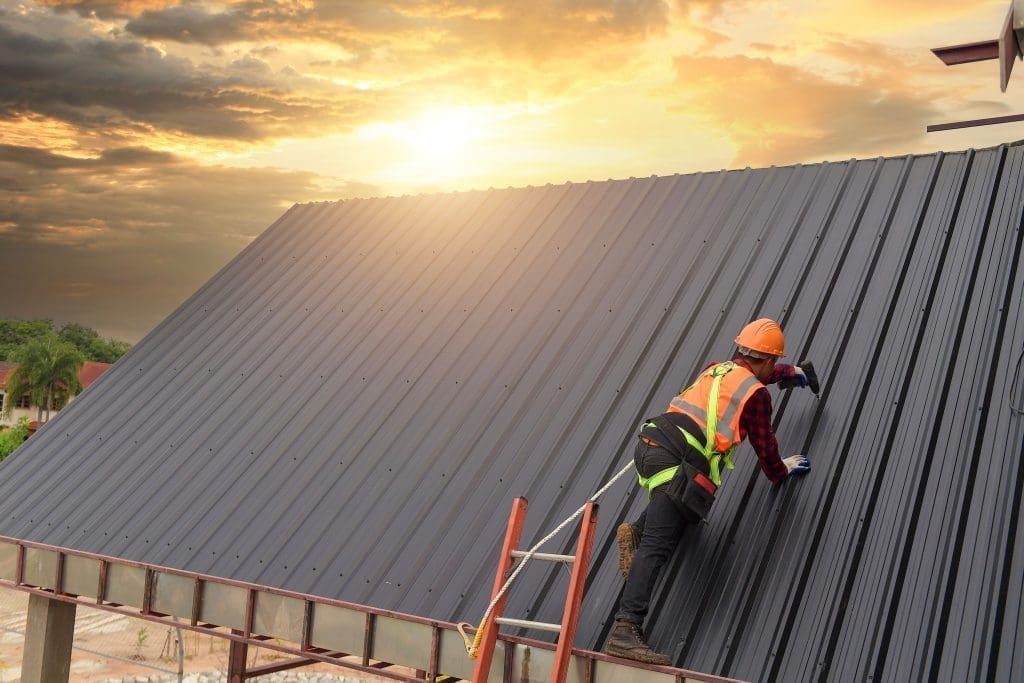
High winds can damage your roofing system. If you live in areas that experience high winds, it is crucial to find a roofing system that can tolerate the weather. You can choose from various roofing materials, but if you don’t want to deal with storm damage every single time, here are the 5 best roofing materials for high-wind areas. Metal Offers a few unique perks that make it one of the best resistant materials against high winds and other severe weather elements. Metal is best loved for its resilience. It is also highly durable and long-lasting. Plus, metal roofing material can be installed in larger panels or sheets, making fewer areas and seams to prevent it from being blown out by the wind. Tile Tile is one of the oldest and most common roofing materials used today. It offers excellent protection from strong winds and is highly durable. Tile can withstand hurricanes, hail, and tornadoes, making it an ideal choice if you live in an area that experiences severe weather. Asphalt Shingles Asphalt shingles are one of the most popular roofing materials because they offer great value at an affordable price. The roofing material provides a class 4 level of resistance against heavy wind. Asphalt can withstand winds higher than 110 mph. If you choose asphalt shingles, talk to your roofing contractor about installing them for high winds. Proper installation will prevent your shingles from becoming loose in the wind. Clay Tiles Clay tiles offer visual appeal to many homeowners. But clay tiles also can make an excellent choice for withstanding wind. Thanks to its heavyweight feature. Clay tiles can prevent even a severe storm with a resistance of up to 130 mph. Clay tiles also outlast other roofing materials with a life expectancy of 50-100 years. However, it is vital to note that debris in your clay roofing system can cause damage to your roofs. Slate Roofs While slate offers a significant upfront cost, its ROI is worth it. Slate is commonly referred to as the “forever roof.” Slates can stay up to 100 years and come with a 50-year warranty. It is highly resilient and durable. It is also heavy, which prevents it from being easily blown off by the wind. Quality workmanship is essential for a slate roof to enhance its integrity. If you live in an area susceptible to high winds, hurricanes, and tornadoes, ensure your home’s roof protects everything you love. The above 5 materials are some of the best options available for you. Ultimately, it comes down to your preference and budget.

The Best Roofing Materials for High Winds Read More »