December 2022

Common Locations of Mold on Your Roofing Structure

Common Locations of Mold on Your Roofing Structure Roof mold doesn’t appear by accident. It typically develops in areas where moisture lingers, airflow is limited, and roof surfaces stay damp longer than they should. Over time, this buildup can affect roofing materials, attic spaces, and even your home’s structure if left unaddressed. Understanding where mold commonly forms allows homeowners to catch problems early and avoid more serious damage. At Daniel Hood Roofing Systems, roof inspections often uncover mold growth linked to moisture issues, ventilation problems, or hidden leaks that homeowners didn’t realize were developing. Below, we break down the most common mold-prone areas on your roof and what you can do to protect them. Around Roof Leaks and Water Entry Points Mold frequently appears near roof leaks, flashing gaps, and areas where water enters through skylights, chimneys, or damaged shingles. Moisture from ongoing leaks creates damp conditions that allow fungi to spread quickly beneath roofing materials. Even minor leaks can cause long-term damage, which is why moisture intrusion is highlighted as a serious issue in leaky roof dangers. Homeowners should routinely check ceilings and attic spaces for stains or discoloration and act quickly when leaks appear. Taking immediate action using proven steps outlined in quick and effective ways to handle a roof leak can significantly reduce the chance of mold spreading deeper into the roof system. Inside the Attic and Around Insulation Attics are one of the most common places where roof mold starts, especially near insulation and roof decking. Insulation traps heat and moisture. When warm air rises and meets cooler roof surfaces, condensation forms and becomes absorbed into insulation materials. Over time, this trapped humidity fuels mold growth and can contribute to structural weakening — an issue often associated with signs a roof may be about to collapse. Reducing attic humidity through better ventilation, insulation upgrades, and regular evaluations using a roof condition assessment guide for homeownershelps prevent mold from developing unnoticed. Roof Vents, Exhaust Fans, and Pipe Penetrations Roof mold also forms around vents, exhaust fans, and plumbing pipe openings. Poor airflow or improperly sealed vent components allow moist air to condense around these areas. When condensation has no escape path, moisture settles into surrounding materials and creates ideal conditions for mold growth. Including vent checks as part of routine roofing repair and maintenance made simple for homeowners helps catch airflow issues early and reduces long-term moisture damage. Because mold often develops in areas homeowners can’t easily see, professional inspections frequently uncover hidden moisture problems before they escalate into situations requiring emergency roof repair. Get a Professional Roof Check Shingles, Tiles, and Shaded Roof Areas Mold, algae, and mildew commonly appear on shaded roof sections, valleys, and north-facing slopes. These areas receive less sunlight and stay wet longer after rainfall, allowing mold to take hold. This is one of the most common types of roofing damage homeowners often overlook until visible discoloration appears. Improving sunlight exposure by trimming nearby trees, keeping gutters clear, and scheduling professional roof cleaning services can help reduce surface mold growth and extend the life of roofing materials. Why Ignoring Roof Mold Can Lead to Bigger Problems Roof mold is more than a surface issue. When ignored, it can weaken shingles, rot decking, spread into attic insulation, and worsen existing roof damage. In more severe cases, advanced growth may require professional black mold roof cleaning to safely remove contaminants and restore roofing surfaces. Protect Your Roof Before Mold Spreads Mold thrives where moisture, shade, and poor airflow combine — but early action makes all the difference. Regular inspections, prompt leak repairs, proper ventilation, and routine maintenance help keep your roof mold-free and structurally sound. Homeowners who stay proactive with inspections and ongoing roof care are far less likely to face sudden failures or costly repairs. Working with experienced professionals ensures mold issues are identified early and resolved correctly, protecting your roof for years to come. Protect Your Roof Today

Common Locations of Mold on Your Roofing Structure Read More »

The Crucial Components of a Roof

The roofing materials you put on your roof are integral to the durability of your home. They are placed on top of one another to form the roof, providing protection and support. The layers vary depending on your roof type, with some roofs having up to five or more layers. The roof is designed to resist high wind speeds, cold and heat. The primary purpose of each layer is to provide this protection. Here we will discuss roofing layers, the aim of each layer, and how they support one another. 1.    Roof Deck The roof deck is the initial layer of material on your roof. It provides support for each of the following layers that are put on top of it. It is made of heavy-duty plywood, multiple layers of asphalt-saturated timber panels, or other materials. The deck should be strong enough to endure harsh weather conditions, keeping your house secure and intact while offering support to the higher levels. It must withstand the weight of snow and heavy rain, hail, strong winds and high temperatures. 2.    Underlayment The underlayment provides a solid foundation for your roofing materials. It is designed to be installed on the roof deck. It gives a material bearing point for wood or plastic shingles. The underlayment is made of a material that is tough, water-resistant and flexible. A solid felt layer or many sheets of tar paper are used to provide this resistance. Staples or nails can mechanically fasten the underlayment to ensure it is put in place properly. 3.    Ice and Water Shield This layer provides a leak-free barrier between the roof deck and the top layer of your roof. The water shield stops leaks caused by melting ice going down through the cracks of your deck into your home. It protects any insulation installed in the attic. The material must also be waterproof and tough. 4.    Ridge Vents Ridge Vents are designed to provide your roof with ventilation. They set up a one-way airflow that helps cool your attic, preventing you from having to use your air conditioning in the summer. The vents also help prevent ice damage in the winter. They are fitted into your roof deck, letting air in but not allowing water out. They are placed at the highest spot on the edge of your roof, at each corner along all sides of your home, and at the center’s highest point. 5.    Shingles Shingles are designed to warm your home by reflecting incoming heat into your attic. They are made of a very thin layer of asbestos, asphalt, compressed fiberglass, or plastic shingles. Plastic shingles are the least expensive but make you more vulnerable to leaks. They can be put on almost any kind of roof. Asphalt shingles are sturdier and must be placed on a wood deck. They help prevent hail and wind damage to your home. Check the state of your roof periodically to see if there is any damage or if it needs repairs. A professional roofer has the knowledge and skills to do a good, reliable job promptly and at a reasonable cost. If you are in need of roof repair, a full roofing replacement, or simply looking to explore your options, Daniel Hood Roofing is right here for you. Our experts can help you with any aspect of your roofing system.

The Crucial Components of a Roof Read More »

Couple sitting on couch in home while staring at water fill up in bucket as it leaks from the roof

Dangers of a Leaky Roof

Danger of a Leaky Roof Various factors, such as cracked roofing materials, damaged flashing, or missing shingles, can cause a roof to start leaking. Every homeowner understands that dealing with a roof leak is frustrating and disruptive. However, what many don’t realize is how quickly a simple leak can escalate into serious and expensive damage. This is why regular inspections and timely repairs are essential. A professional roofer can identify early warning signs and address issues before they result in long-term structural problems. Below are the most common dangers associated with a leaky roof and why immediate action is critical. Rots Roof Frames When water drips through the roof over an extended period, it eventually reaches the wooden framing beneath. Most wood used in roof structures is not designed to handle prolonged moisture exposure, which leads to rot and weakening. Rotted framing is especially dangerous because it can damage roof decking, compromise support beams, and in extreme cases, cause partial or full roof collapse. Ceiling stains or dark spots are often signs that water has already reached the roof’s structural components. If you’re unsure how severe the damage might be, a professional roof condition assessment can help determine the next steps. Damages Ceiling and Attic Once water penetrates the roofing system, it doesn’t stop at the roof deck. Leaks often spread into the ceiling and attic, causing stains, sagging drywall, and damage to light fixtures. Moisture can also soak into attic insulation, causing it to clump and lose its ability to regulate indoor temperatures. As insulation becomes less effective, your home may experience heat loss in winter and excessive heat buildup in summer. These hidden issues are often discovered during professional residential roof repair inspections, especially when leaks have been active for some time Schedule a Free Roof Inspection Facilitates Mold Growth Water leaks create a consistently damp environment, which is ideal for mold and mildew growth. Mold commonly develops in ceilings, attics, and wall cavities—areas homeowners don’t regularly inspect. If left untreated, mold can spread quickly and contribute to health issues such as nasal congestion, allergies, and respiratory irritation. Moisture-related roof problems often require not only repairs but also professional roof cleaning services to fully resolve contamination and prevent recurrence Causes Slippery Floors A leaking roof doesn’t only affect upper levels of your home. Water can travel through walls and drip down to floors, creating slippery surfaces. This increases the risk of slips and falls, especially for children and elderly family members. Water damage that reaches flooring often indicates a more serious roofing issue that may require immediate attention. In these situations, emergency roof repair is often the safest option to prevent further hazards. Deteriorates Your Home’s Structural Integrity When roof leaks are ignored, water continues to travel through walls and down into the foundation. Over time, this moisture can cause materials to weaken, soften, and lose structural strength. A compromised structure doesn’t just affect the roof—it can impact the entire home. Persistent leaks are one of the most common contributors to major roofing failures outlined in this guide to the most common types of roofing damage. In severe cases, ongoing water intrusion can increase the risk of roof collapse. Homeowners should be aware of these warning signs explained here. What to Do Immediately If You Notice a Roof Leak? As soon as you notice signs of a roof leak, take steps to limit interior damage. Place containers under active drips and move furniture or valuables away from affected areas. Avoid using electrical fixtures near water until the issue is addressed. Do not attempt to climb onto the roof yourself. Wet or weakened roofing materials can be extremely dangerous. Instead, schedule a professional inspection to determine whether residential roof repair is sufficient or if residential roof replacement is the better long-term solution. For a broader understanding of how roof damage progresses and how it’s repaired, this homeowner guide provides helpful insight. A leaky roof is more than just an inconvenience—it can threaten your home’s safety, comfort, and value. The longer repairs are delayed, the more extensive and costly the damage can become. Get Expert Help for Your Leaky Roof Today

Dangers of a Leaky Roof Read More »

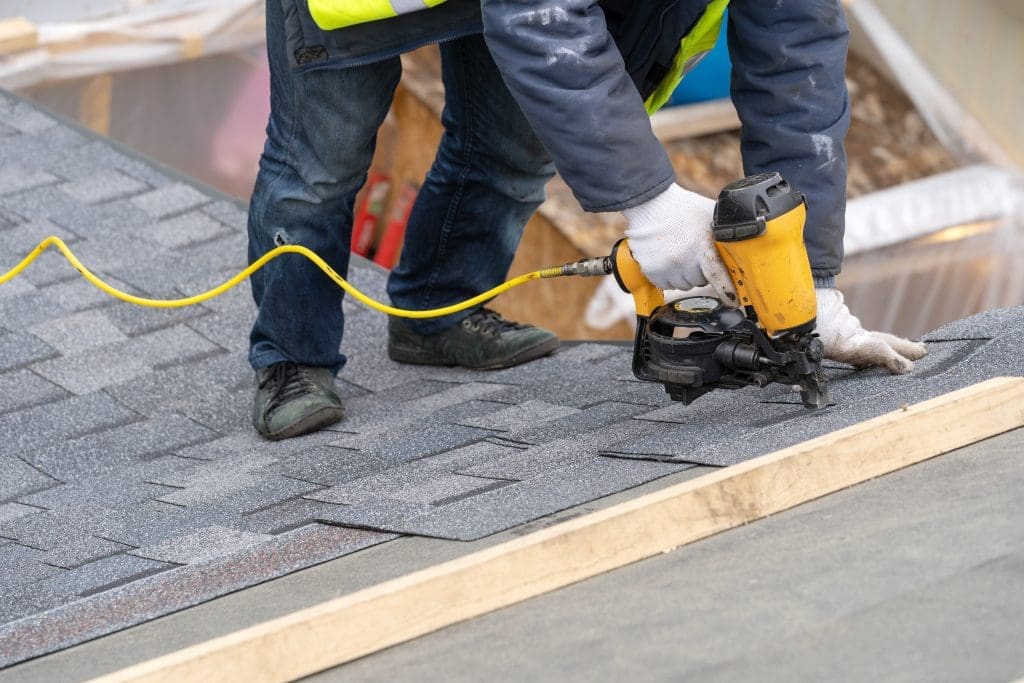
roofing contractor installing asphalt shingles with nail gun

The Benefits of Asphalt Shingle Roofs

Longevity is the key to greatness in the world of roofing. When it comes to shingles, it’s hard to beat reliable, highly efficient asphalt shingles. These shingles can last multiple rounds against the elements, and in the harshest conditions, they will always put up a good fight. Asphalt Shingles – Why You Should Spar With the Champ Shingles are like boxers because they have weight classes. There are heavyweight shingles and lightweight options. Asphalt shingles are lightweight shingles, so they’re easy to install on a roof. Heavyweight shingles like slate shingles will take longer to install because they will require additional support. As a result, if you install asphalt shingles instead of a heavyweight variety, you’ll save time and money. Beyond the initial installation perks, asphalt shingles are also great because they’re easy to repair and maintain. If you install these shingles and take care of them, they could protect your home for up to 30 years. All About Asphalt Shingles – The Winning Team Asphalt shingles come in many styles, but every option can reign as a champion. The most common options are basic asphalt shingles. These shingles have evolved throughout the years. In the past, most shingles in this category had a cellulose core. Today, many manufacturers now make these shingles with a fiberglass core. If you need shingles with flair, you’ll appreciate what architectural shingles bring to the table. These shingles are also called dimensional shingles or laminate shingles. All shingles in this lineup are great because they have two layers. One layer is made of asphalt, and the other consists of fiberglass. The dual-layer design aspect makes these shingles extremely weather-resistant.  Premium shingles are next on the list. They have two layers like architectural shingles, but they have better qualities for curb appeal.  Finally, if you prefer efficiency over style, you can’t go wrong with performance shingles. These shingles are built to withstand the elements. The Path to Greatness If you need new shingles for your home, contact our professional roofing team, and schedule an appointment for a roof replacement.

The Benefits of Asphalt Shingle Roofs Read More »

How to Pick the Right Color for Your New Shingles

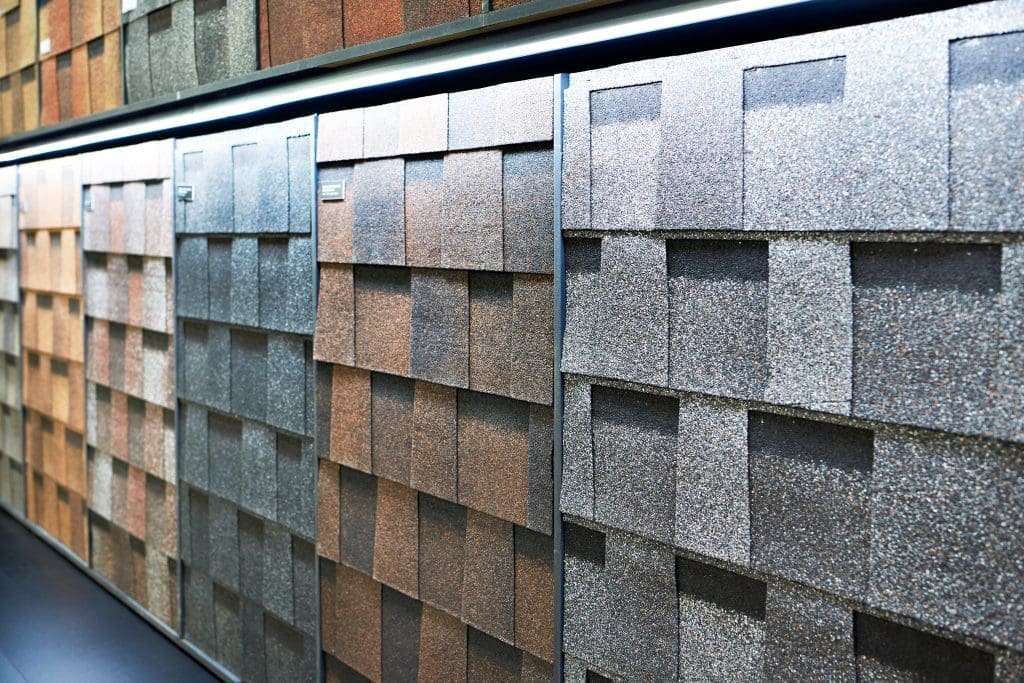
Shingles have evolved throughout the years. They are no longer primarily used as a line of defense. Thanks to new designs, shingles are now taking center stage. This is big news for designers, but it’s not always easy for a homeowner to incorporate new shingles into an established design scheme. If you make one misstep, the design scheme will fail, and you’ll need to tweak the concept. If you want to take the leap successfully, this guide can help. Your journey will start with the basics. All About Colors In order to pick the best shingles, you must understand how color plays a role in the world of exterior design. Great design schemes have one thing in common. They create contrast with classic color combinations. The most commonly used color duo for modern homes is black and white. For this scheme, the shingles are black, and other parts of a home like the shutters are white. If you prefer another option, you could combine: Dark gray shingles with white siding Light gray shingles with dark siding Brown shingles with white shutters Dark brown shingles with light oak shutters These strategies can help you jumpstart your success, but you could still make errors. However, the following guidelines should help you stay on track. Success Tactics Your neighborhood is a great place to conduct research. There are many homes in your community that have shingles, so go out and investigate. This is a practical way to study design concepts, trends, and color schemes. While you’re out and about, find ways to weigh different homes against one another. For example, if one house has light shingles and another has dark shingles, consider how each color is holding up in the current climate. When you’re ready to proceed, be strategic with your color choice. If you need some ideas, you could acquire a brochure from a roofing company. Once you have color in mind, ask the roofing company for large samples. When you get the samples, carefully examine each color outdoors. The right color will complement your home’s core design, and it will look fantastic in natural light. Lift Off If you’d like to start your journey, contact us today. We’ll help you rise to success.

How to Pick the Right Color for Your New Shingles Read More »