Roof Repair

Tennessee Roofing Prices
A complete breakdown of Tennessee roofing prices, including repair costs, replacement ranges, material pricing, and factors that affect your roofing budget.

A complete breakdown of Tennessee roofing prices, including repair costs, replacement ranges, material pricing, and factors that affect your roofing budget.
A clear homeowner guide to Tennessee roofing laws, including licensing rules, permit requirements, building codes, and inspection standards to help you hire legal and qualified roofers.
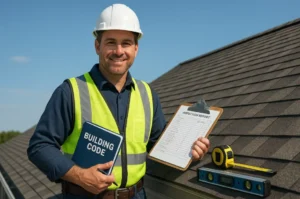
Tennessee building codes for roofing protect homeowners through standardized safety and performance requirements. Understanding these codes helps you ensure your roofing project meets legal standards, passes inspections, and protects your home’s value and your family’s safety.
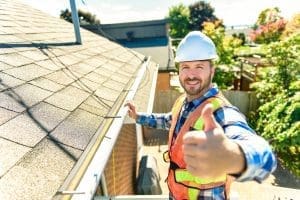

If you’re wondering how to find a good roofing contractor in your area, you’ve come to the right place. We provide a step-by-step guide to help you prepare and make informed decisions before hiring.
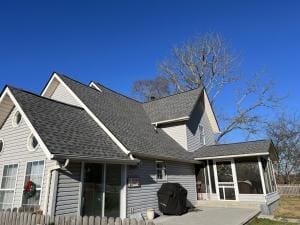
When it’s time to replace your roof or even repair sections of it, you may be surprised to learn how expensive the job is. Let’s face it, roofing jobs are expensive, and there are quite a few reasons why. Labor Costs Roofing replacement or repair jobs are physically demanding jobs that require skilled labor. Roofers have to work at different heights and in difficult weather conditions, and they need to be trained and experienced to perform their work safely and efficiently. This means that roofing companies must pay their workers fairly for these skills and experience. This alone can drive up labor costs. Additionally, roofing companies may need to hire subcontractors to perform certain tasks, such as electrical work or structural repairs. Materials The cost of raw materials used in roofing, such as asphalt, metal, clay, or concrete, can vary depending on their availability, demand, and quality. For example, high-quality shingles cost more than lower-quality ones, and metal roofing materials are more expensive than asphalt shingles. What’s more, roofing materials are often heavy, bulky, and difficult to transport, which can drive up the cost of installation jobs. Plus, the weight and volume of these raw materials can directly affect the amount of labor required to install the roofing system. Roofing Equipment Roofing work can be dangerous, and roofing companies need specialized equipment to make sure their workers are safe. This equipment includes ladders, scaffolding, safety harnesses, and other protective gear. The cost of this equipment is often factored into the overall cost of the job. Tools, such as nail guns, roofing saws, and other equipment, can make the job more efficient, allowing workers to complete the job faster. This equipment can be expensive to purchase and maintain. In addition, roofing equipment must be able to withstand weather conditions such as rain, wind, and extreme temperatures. Workers may also have to access difficult-to-reach areas when repairing or installing a roof. This may require specialized equipment, such as lifts or cranes, which can be expensive to rent or purchase. Insurance & Permits Roofing companies need to carry insurance to protect themselves as well as their clients from liability in case of accidents or damage to property. The cost of this insurance can be high due to the risks associated with roofing work, including falls, equipment failure, or property damage. Many cities require permits for roofing work, and this can add to the overall cost of the job. The cost of these permits will vary depending on the location and the type of roofing work being performed. In addition to obtaining permits, roofing companies must follow regulations and building codes when performing their work. This may require additional training or equipment, which can add to the overall cost of the job. Our Roofing Services in East Tennessee If you need roofing repair or replacement services, contact Daniel Hood Roofing Systems. Our expert roofing contractors are ready to answer any questions you may have. Call now to schedule a free estimate!
A good roofer can do so much for your home. They can help locate any leak, fix it promptly, and keep your home in fine shape for as long as you own it. The following questions are an essential part of finding the right roofer today. What Kind of Insurance Do You Have? Well-prepared roofers follow all safety procedures. They are well-versed in procedures that will keep their employees focused on the job at hand without obstacles. However, even the best-prepared roofing company workers may encounter difficulties working on your roof. Make sure the insurance company has the right coverage for their employees in the event of an accident. Tell Me About Your Warranties Most new roofs come with a year-long warranty. Some roofers can offer even longer roofing warranties that allow homeowners even more protection. In general, you can expect the warranty offered to have a system in place where the manufacturer covers the materials used in the roof while the roofing company covers any labor costs. Keep in mind an extended warranty is likely to cost more than a standard warranty. Find out the cost of the warranty and exactly what it covers before you choose this option. How Long Have You Been in the Roofing Business? An ideal roofer has years of experience. This kind of experience can come from working an apprenticeship, working with an experienced roofer, and starting a roofing business. Ask them about the types of roofing experience they have such as residential and commercial. Can You Give Me an Estimated Time Frame? Some roofing repairs and replacements are quick. A few missing shingles may take an hour or so to fix. Putting on a new layer of asphalt shingles or an entirely new roof can take a lot longer. Ask your roofer how long the job you have in mind is likely to take to complete.
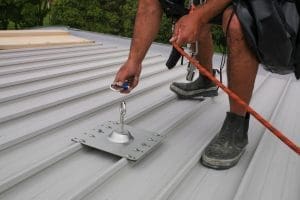
Working on your roof can be a necessary task for a homeowner, but it’s important to follow proper safety procedures to avoid dangerous situations. Here are some things you should never do while working on your roof. Don’t Work Alone: Always Have Someone Around Working on your roof should never be a lone ranger mission. It’s always better to have someone by your side for added safety and peace of mind. In case you have to work alone, make sure someone is close by in case of an emergency. Never Ignore Weather Conditions: Work on the Roof When the Weather Is Good High winds can make it challenging to navigate on a roof and increase the risk of losing balance. Never attempt roof work during windy conditions, wait for calmer weather to commence your project. Avoid Walking on a Wet or Slippery Roof: Dry Roofs Are Safe Roofs Wet roofs can be slippery, which is why it’s imperative to exercise caution. Whenever possible, refrain from working on a wet roof and wait until it has dried out. If working on a wet roof is unavoidable, ensure that you have a stable footing and be mindful of slippery spots. Abandon Risky Equipment: Make Sure You Have the Right Tools A sturdy ladder is a must-have for roof work, but make sure you inspect it before using it. Confirm that the ladder is in good condition and securely anchored. If you’re unsure about anchoring your ladder, seek professional help. Never Ignore Your Shoes: Always Wear Safety Boots When working on a roof, it’s important to wear the right safety gear. This includes a hard hat and non-slip shoes with good traction. Avoid leather soles or other slippery materials that can increase the risk of slipping. Don’t Forgo Safety: Use a Harness For roofs that are more than 6 feet off the ground, it’s recommended to use a safety harness. Always use the harness according to the manufacturer’s instructions and ensure that it’s properly anchored to the roof. Don’t Try to Repair a Damaged Roof Without Help: Contact a Professional If you notice any damage to your roof, it’s best to contact a professional roofing contractor for repairs. Attempting to repair a damaged roof without proper training and equipment can be dangerous and ineffective. Never Try to Remove Snow From a Roof: Wait for Safe Conditions Snow can be heavy and dangerous to remove, so it’s best to leave it to the professionals. Trying to remove snow from your roof on your own can be risky and could result in damage to your roof or injury to yourself. Don’t Overreach or Stand Near the Edge of the Roof: Always Maintain a Safe Distance When working on a roof, it’s important to maintain a safe distance from the edge and avoid overreaching. Keeping a low center of gravity by bending at the knees and moving slowly can help reduce the risk of falling. Don’t Answer the Phone: Stay Alert and Focused Never let distractions get in the way of your roofing experience. Stay alert, focused, and pay close attention to your surroundings to ensure a safe and successful roofing experience. At Daniel Hood Roofing Systems, we understand the importance of roof safety and provide professional roofing services to customers in the Greater Knoxville and Tri-Cities areas. Our expertly trained roofers use only the highest quality products and provide superior workmanship, so you can trust that your roof will be in great shape for years to come. Whether you need routine maintenance or a full roof replacement, choose a professional roofing contractor like Daniel Hood Roofing Systems to keep you and your home safe.

What is the average time for a roof replacement? Replacing a roof is a major home improvement project that requires careful planning and execution. The time it takes to replace a basic roof depends on several things, such as the size and complexity of the roof, the weather, and the availability of materials and labor. On average, a basic roof replacement can take anywhere from 2 to 5 days to complete, with some larger or more complex projects taking longer. Work with a reputable roofing contractor who can give you a detailed timeline and help ensure the project is done on time and within budget. By understanding the average timeline for a basic roof replacement, you can plan accordingly and prepare your home for this important renovation. The time it takes to replace a basic roof depends on several things, such as the size and complexity of the roof, the weather, and the availability of materials and labor. On average, a basic roof replacement can take anywhere from 2 to 5 days to complete, with some larger or more complex projects taking longer. Several factors determine how long a roof replacement will take, including: Size & Complexity of the Roof The larger and more complex the roof, the more time it will take to replace it. A complex roof with multiple pitches, valleys, and dormers will take longer to replace than a simple, straightforward roof. Weather Conditions Weather conditions such as rain, snow, and extreme temperatures can impact the timeline of a roof replacement. Roofing contractors may have to delay the project or work more slowly in inclement weather to ensure their workers’ safety and the work’s quality. Availability of Materials and Labor The availability of materials and labor can also impact the roof replacement timeline. If the materials needed for the project are readily available, the project could be completed on time. Additionally, if the roofing contractor is busy with other projects, they may have to schedule the roof replacement later. Preparation and Cleanup The time required for preparation and cleanup, such as removing old roofing materials and cleaning up the worksite, can also impact the roof replacement timeline. Quality of Work The timeline will also be affected by how well the roofer works. A contractor who takes time to do the work properly and carefully will take longer than a contractor who rushes the job. Conclusion Hiring a reliable roofing contractor who can plan a comprehensive schedule is crucial for finishing the job on time and within budget. By understanding the average timeline for a basic roof replacement and being aware of the factors that can impact it, you can plan accordingly and prepare your home for this important renovation.
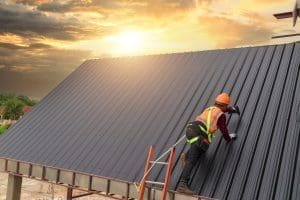
High winds can damage your roofing system. If you live in areas that experience high winds, it is crucial to find a roofing system that can tolerate the weather. You can choose from various roofing materials, but if you don’t want to deal with storm damage every single time, here are the 5 best roofing materials for high-wind areas. Metal Offers a few unique perks that make it one of the best resistant materials against high winds and other severe weather elements. Metal is best loved for its resilience. It is also highly durable and long-lasting. Plus, metal roofing material can be installed in larger panels or sheets, making fewer areas and seams to prevent it from being blown out by the wind. Tile Tile is one of the oldest and most common roofing materials used today. It offers excellent protection from strong winds and is highly durable. Tile can withstand hurricanes, hail, and tornadoes, making it an ideal choice if you live in an area that experiences severe weather. Asphalt Shingles Asphalt shingles are one of the most popular roofing materials because they offer great value at an affordable price. The roofing material provides a class 4 level of resistance against heavy wind. Asphalt can withstand winds higher than 110 mph. If you choose asphalt shingles, talk to your roofing contractor about installing them for high winds. Proper installation will prevent your shingles from becoming loose in the wind. Clay Tiles Clay tiles offer visual appeal to many homeowners. But clay tiles also can make an excellent choice for withstanding wind. Thanks to its heavyweight feature. Clay tiles can prevent even a severe storm with a resistance of up to 130 mph. Clay tiles also outlast other roofing materials with a life expectancy of 50-100 years. However, it is vital to note that debris in your clay roofing system can cause damage to your roofs. Slate Roofs While slate offers a significant upfront cost, its ROI is worth it. Slate is commonly referred to as the “forever roof.” Slates can stay up to 100 years and come with a 50-year warranty. It is highly resilient and durable. It is also heavy, which prevents it from being easily blown off by the wind. Quality workmanship is essential for a slate roof to enhance its integrity. If you live in an area susceptible to high winds, hurricanes, and tornadoes, ensure your home’s roof protects everything you love. The above 5 materials are some of the best options available for you. Ultimately, it comes down to your preference and budget.
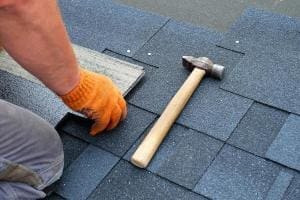
Expert Roof Replacement: How Often Should I Replace My Roof in Knoxville TN? Replacing your roof is worth it in energy savings, increased property value, and improved safety. A well-installed new roof protects the home from water damage and extreme weather, and insulation against heat loss. It will also give the house a fresh, updated look and add curb appeal. The frequency with which you should replace your roof depends on the type of roofing material and the local climate. Read on to find out how often you should change your roof. How Often Should I Replace My Roof? A roof in Knoxville should last several decades, especially when installed by a reputable contractor. The average lifespan of a roof depends on its construction material and environmental factors such as wind, hail, snow, and the amount of sun exposure in the area. Asphalt shingles generally last 15-30 years, while metal roofs can last up to 50 years. Clay tile roofs can last up to a century but need more maintenance than other roof materials. Perform Regular Inspection Regular maintenance checks keep your roof in good condition and extend its lifespan. An experienced roofing contractor should conduct inspections at least once a year. During the inspection, the contractors conduct roof repairs and look out for the following issues to determine whether it is time for a new roof. 1. Signs of Water Damage, Rot or Mold Water damage weakens the roof’s structural integrity. It causes leaks and damage to your home’s interior. Rot compromises the strength of your roof, while mold poses a health risk to you and your family. 2. Curling, Cracking and Missing Shingles Curling, cracking, and missing shingles are warning signs that you need a roof replacement. Curling shingles result from weathering and lead to water seepage and leaks. Cracked shingles occur when the materials have become brittle and cannot withstand the elements. Missing shingles leave your underlayment exposed and can lead to rot and decay. 3. Sagging or Drooping Roof If you notice that your roof is sagging or drooping, consider the possibility of a new roof. A sagging roof shows a problem with the roof structure, such as weakened or damaged rafters or beams. A weakened roof structure can collapse under heavy snow or rain. A sagging roof also lowers the value of your property. Contact Professionals! If you think your roof may be nearing the end of its life and need a replacement, contact a reputable roofing contractor. They will conduct a thorough roof inspection and recommend appropriate action. They will also advise on the best materials and installation techniques to ensure your roof provides reliable protection for many years.

Living in Knoxville, TN, there will come a time when your home needs a roof replacement. It’s a big project, and it starts with hiring the right roofer. If you don’t take your time, ask the right questions, and get several quotes, you may end up with a bad roof job. Don’t put yourself in that position. Know what questions you need to ask to get your roofing job done right. Ask to See the Contractor’s License, Insurance, and Bonding Not all roofing contractors and companies are bonded, but all of them should be licensed and insured at the very least. Licensing means that a contractor is skilled and is legally able to work on your roof in accordance with state and local laws. No license? No current license or expired license? Don’t hire that contractor. Insured means that the contractor carries liability, medical, business, and personal insurance. All that insurance means that if the contractor and/or his/her crew are injured in the line of duty on your roof, you don’t pay for their medical expenses. If someone missteps and falls through your roof, your contractor is the one that pays to fix that. It’s personal protection for them and their business, and home protection for you. Good contractors will have no problem showing you their proof of insurance. Bonded means they have someone backing their work so that when they promise to complete your roof replacement by a specific date, the bonding agent makes sure the contractor follows through. While it’s not necessary to have a bonded roofing contractor, it is an extra perk to get your roof completed by a specific date. Ask for Warranties Some roofers and roofing companies are GAF certified, which means that a GAF roof is installed on your home and comes with a warranty. If your chosen roofing contractor is GAF certified, or lists him/herself as a GAF Master Elite roofer, ask about the warranties and GAF roofing products he or she offers. The warranties on these roofs offers extra peace of mind for the next few decades that you live in your home. Always Ask for Itemized Estimates So You Can Make Comparisons It helps to see where one roofing company charges more than another. Always ask for an itemized estimate for the roofing job so you can easily compare and contrast between the estimates you receive from different contractors. Then you can make the best decision for your roofing needs.

A collapsing roof is a dangerous hazard that can cause serious injury or even death. Recognizing the signs that a roof is about to collapse can help you take necessary precautions and avoid being injured due to falling debris. This guide provides information on how to recognize when your roof may be in danger of collapse and what steps you should take if you suspect it may be failing. 1. Cracking One of the first signs that your roof may be in danger of collapsing is when you begin to notice cracks. These damages can range from large visible cracks and buckling to minor hairline fractures. Leaking can be caused by weather, age, or other factors and any of these can cause the structure to fail. It’s important to investigate the source of a leak quickly as it could be a sign that your roof is in danger of collapsing. If you see dripping or trailing coming from under the eaves, check your ceiling for any signs of water damage or discoloration, and inspect your attic or the underside of your roof for anything amiss. 2. Leaking If you start to notice that you have a leaking roof, it’s important to act quickly. Dampness, discoloration and dripping reaching the interior of the home are tell-tale indicators that intense weather, age, or other factors may have damaged the structure and integrity of your roof. 3. Sagging A sagging roof is another indicator that your roof may be failing. Sagging roofs often occur when structural beams are weakened due to water damage or rot caused by moisture. This can cause the overall shape of the roof to change and eventually begin caving inwards if not addressed immediately. 4. Loose or Missing Shingles If you start to notice that some of your shingles are loose, cracked, or missing altogether, it’s likely that the roof is beginning to fail. Shingles provide an important layer of protection and stability for roofs; and when they become loose or missing it can lead to further damage and a potential collapse. Conclusion Being aware of the signs that your roof may be failing can help you take necessary precautions to avoid injury due to falling debris. Cracks, bulging, leaking, sagging, and loose or missing shingles are all indicators that your roof may be in danger of collapse. If you spot any of these signs, it’s important to get a professional inspection as soon as possible to prevent further damage and potential collapse. Contact the experts at Daniel Hood Roofing to learn more.

The roofing industry is rapidly changing, with new technologies and materials making it easier to install and maintain roofs. In recent years, manufacturers have developed materials that are more durable, energy-efficient, and cost-effective. Additionally, advancements in technology are making installation faster and easier than ever before. Cool Roofs This type of roof is designed to absorb less heat from sunlight and re-emit it back into the atmosphere. Roofers typically make them using reflective pigments or coatings that reflect more light than conventional roofs and thereby reduce thermal gain. As well as making buildings more energy efficient, cool roofs can help lower air conditioning costs and improve indoor air quality by moderating temperatures inside living spaces during hot days. Energy Star Rated Roofs Many people are now opting for energy-star-rated roofs for their residential or commercial roofing, which meets strict criteria set by the US Environmental Protection Agency and are proven to reduce energy costs. The materials used in these roofs are designed to reflect more of the sun’s heat away from the building and back into the atmosphere, helping cool temperatures in outdoor areas and reducing air conditioning bills inside. Solar Roofing Solar roofing systems have become increasingly popular over recent years as more people look for ways to make their homes and businesses greener. These systems consist of photovoltaic cells that convert sunlight into electricity, which can then be used to power appliances or sold back to electrical grids. While solar for residential roofing does require a large initial investment, it can help reduce energy costs in the long run. Green Roofs Green roofs can offer a multitude of environmental benefits to a range of people and offer more than just a beautiful backdrop. They are capable of absorbing pollutants, while also storing carbon dioxide and reducing the overall amount of air pollution in the area. Additionally, they provide insulation by creating buffer zones against heat and sound, resulting in less energy used for heating and cooling down buildings throughout the year. Green roofs bring elegance and style to any building, with lush vegetation serving as an attractive natural outlook for any property or business. Not only do green roofs offer improved environmental benefits but their aesthetic touch adds a certain level of ambiance to the area in which they are applied. Conclusion The roofing industry is constantly evolving, with new technologies and materials making it easier to install and maintain roofs. By utilizing the latest advancements, property owners can save money on energy costs while creating a more durable and efficient roof. With so many options available, it is important to consider each one carefully before making a decision. Ultimately, your choice of a roof will depend on your budget, as well as your specific needs. Contact the pros at Daniel Hood Roofing to learn more!

The roof is one of the most significant protective features of a home. The integrity of the top keeps the homeowner and their family comfortable. Weather conditions, however, tend to create a mess on the roof, which can cause problems and discomfort to the homeowner. These problems must be addressed before they happen to prevent unfavorable conditions for the people living in the home. The most dangerous harsh weather conditions that damage the integrity of a home include: 1. Heavy Rains Heavy rains cause water accumulation on the roof surface. The infiltration of this moisture in the attic space and the ceilings can cause mold and wood damage. Water leaks through small roof openings that later reach other parts of your home and lead to property damage. 2. Ice and Snow Heavy snowfalls cause severe problems in your home if not properly handled. Moving snow can cause roof leakages, physical damage, and structural damage to the roof. Wood shakes and shingles tend to absorb heavy snow, which can freeze and crack the roof. 3. Strong Winds Strong winds can cause roof leaks, damage to the roofing material, and physical damage to your property. Strong winds cause structural damage by forcefully lifting the roof away from its support structure. Proper maintenance and installation from roofing experts ensure that your roof structure can handle these conditions. 4. Hot Weather Over Time Hot weather on a roof can cause severe damage to your home. The hot sun can cause shingles to expand and contract with temperatures in the attic. The heat expansion of the shingles can cause them to detach from the roof, causing dangerous conditions for people living on your property. Harsh weather conditions pose a significant threat to the integrity of the roof and can lead to structural damage to your home. However, with proper care from a professional roofer, you can avoid damages brought on by harsh weather conditions. Contact us today to learn more!
Finding mold on the roof is not pleasant and shows potential damage. This mainly occurs due to excessive moisture that causes the top to remain damp for a long time. Apart from the structural damage and awful look, mold can also cause health issues such as allergies. At Daniel Hood Roofing, we help you take care of your house and loved ones by providing repair and maintenance solutions for your home. While any part of the top can get affected, some areas are more vulnerable due to their positioning. Here are the top locations where you will find mold on your roof. Near Leaks As earlier stated, mold grows because of constant moisture in a specific area. Leaks are the number one cause of mold since the water lands on a particular place over a long time and does not dry up. If you notice any mold under your roof, look for any signs of a leak in that area. However, you can call our experts for professional inspection and repairs. Insulation It is crucial to ensure the expert installation of the roof’s insulation. The insulation might prevent the moisture from leaving the roof, thus accumulating it and creating a conducive environment for mold to grow. This can also lead to damage and rotting, which poses a risk to your structure. Routine roof inspections and maintenance can help our experts locate any signs of mold in the insulation and advice on the required measures to rehabilitate the structure. Vents Roof vents should allow hot air to leave while allowing the cooler air to get in. This process helps regulate the temperature in the attic. However, when the vents get cracks, they start allowing in moisture. The hidden environment may make the mold multiply, leading to constant allergies and stuffiness in the attic. It is essential to have our team at Daniel Hood Roofing regularly inspect your structure to help seal the cracks early enough. Shingles and Tiles During the rainy and snowy seasons, you might notice mold growing, especially if your water does not drain properly. The continued lack of sunshine and constant rains may create a suitable environment for growth. However, with proper drainage through the gutters, you will not have stagnant water or ice, which will keep your top dry throughout. Reach Out to Daniel Hood Roofing Today You need to schedule regular professional roof inspections to help you minimize the instances of mold growth. Having the professionals from Daniel Hood Roofing on your side will guarantee an extended lifespan of your structure and keep your family safe from respiratory issues.